

A CRM implementation specialist is the person who stands between the software your business just purchased and the version of it your team will either use every morning or abandon by month three. The platform ships with hundreds of features but your business needs only a fraction of them configured to match how your sales team finds prospects, manages deals, and closes revenue.
That configuration work is what an implementation specialist does. The reason one company gets a CRM that reps log into first thing every Monday while another company ends up paying for software that sits untouched usually traces back to how the implementation was handled. Pipeline stages that don't reflect how deals move and automation rules that fire at the wrong moment are implementation problems, and they're what the right CRM specialist prevents.
For Canadian B2B companies investing in a CRM for the first time or replacing one that failed to deliver, this hiring decision carries more weight than the platform selection itself. A CRM implementation specialist who understands Canadian B2B sales cycles, PIPEDA compliance, and bilingual configuration requirements will build a system that accounts for how your business operates in this market.
The cost of getting this wrong goes beyond the implementation budget. When adoption is low, sales data stays incomplete and forecasting becomes unreliable. Leadership ends up making decisions on instinct instead of pipeline intelligence, and rebuilding a system your team has already learned to distrust costs significantly more than doing it properly the first time.
A CRM implementation specialist should understand your business before they configure your software
Gestisoft starts every CRM project by mapping how your sales team works today before building anything inside the platform.
 Book a free consultation
What a CRM implementation specialist does inside your business
A CRM implementation specialist works at the intersection of your sales process and your CRM platform. The job sounds technical, and parts of it are, but the work that determines whether the implementation succeeds or fails happens before anyone opens the software.
The most valuable thing a CRM specialist does is learn how your business sells. That means sitting with your reps and understanding how deals progress from first contact to signed contract. They talk to your sales manager about where deals tend to stall and why and they ask your leadership what numbers they need to see every Monday to feel confident about the quarter.
The build phase turns those conversations into a working system. Pipeline stages reflect your deal progression and automation handles the follow-up tasks that used to depend on someone's memory. Data from your previous system or from the spreadsheets your team has been running on gets cleaned and migrated so the new CRM starts with a foundation your team can trust. A CRM specialist who understands the ongoing ownership of that system beyond the implementation phase is what keeps it useful six months after launch.
The part most businesses underestimate is what happens after go-live. Your team will find things that need adjusting within the first 90 days. A specialist who stays engaged during that window is the difference between a platform that will be used and one that gets abandoned. The broader CRM implementation consultant role includes strategic advisory alongside the technical build, and for Canadian B2B companies that combination of hands-on configuration and business-level thinking is where the real value sits.
How a CRM implementation specialist differs from a CRM consultant
The titles overlap and vendors use them interchangeably, which creates confusion when you're trying to figure out who to hire and what you can expect the person to deliver.
A CRM software consultant advises on CRM strategy broadly. They help your business decide how CRM fits into your larger technology stack and what your CRM roadmap should look like over the next few years. Their work often starts before a platform has been selected and continues at the strategic level well after implementation is complete. CRM consulting as a broader service covers everything from vendor evaluation through to long-term optimization planning.
A CRM implementation specialist focuses on the build. They take a platform that's already been chosen and configure it to work for your business. Their strength is in the hands-on technical and process work of making the software match your operations.
For Canadian small and mid-sized businesses, the practical question is whether the person you're hiring can do both. You want someone who will tell you your sales process needs restructuring before they build it into the CRM, and who will push back on a request that would create a messy data structure six months down the road. A CRM implementation specialist who only executes instructions without questioning them will build exactly what you asked for, and that may not be what your business needs.
When a Canadian business needs a CRM implementation specialist
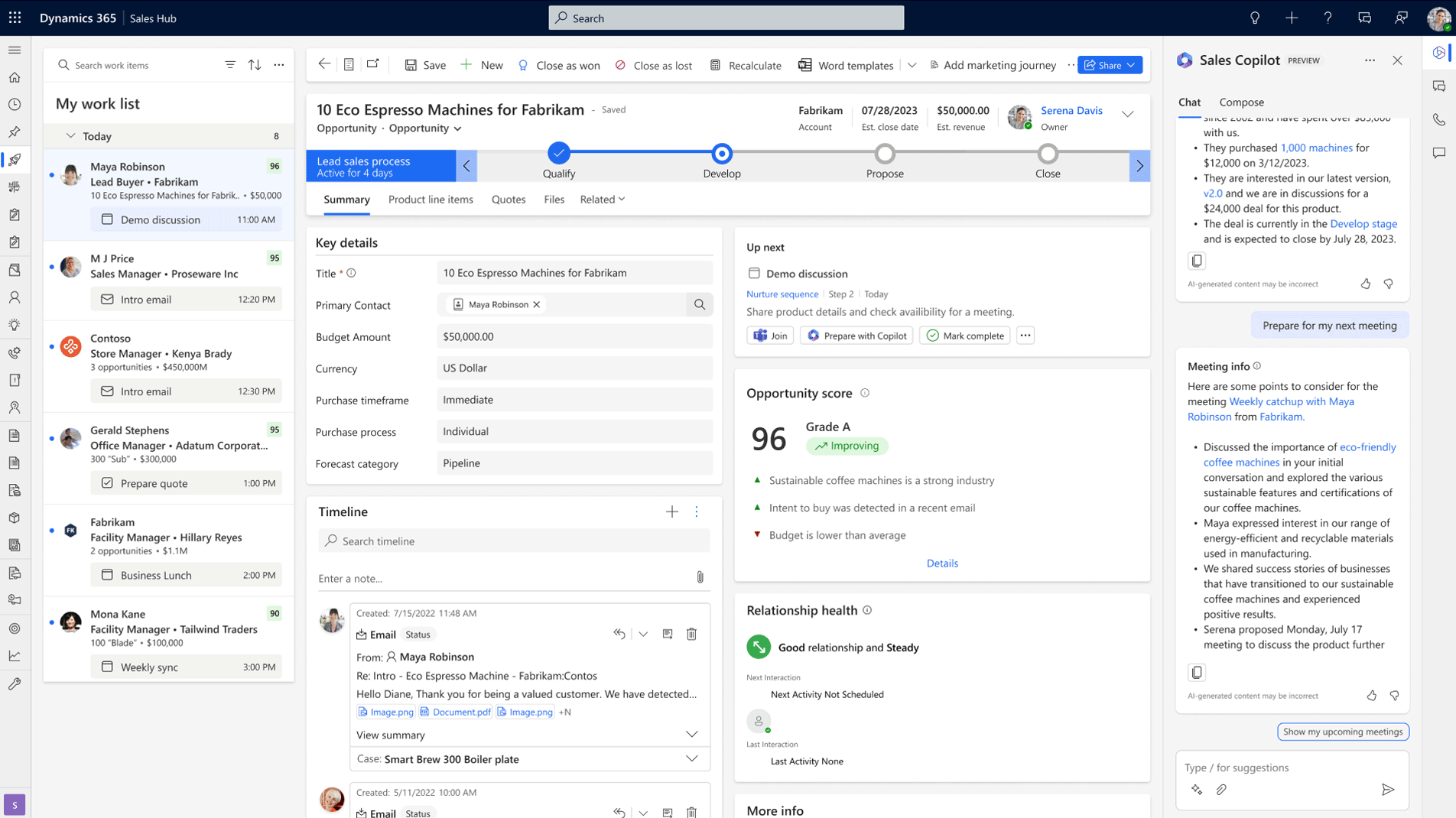
Not every business needs one. A company with five employees setting up HubSpot's free tier can handle the basics internally. The need for a CRM implementation specialist scales with the complexity of your sales process and how much your business depends on CRM data for decisions.
The clearest signal is when your sales process has enough stages and moving parts that configuring the CRM requires someone who understands both the platform and how B2B sales teams operate. If your team is larger than ten people who all need to use the system daily, adoption depends on the configuration fitting how each role works, and that's configuration work most businesses can't do well internally.
Data migration is another trigger. Moving records from a previous CRM or from spreadsheets into a new system is where most self-service implementations go wrong, because dirty data contaminates the platform before your team has a chance to form good habits with it. A CRM system implementation guide walks through what a structured project looks like and helps you benchmark whether professional support makes financial sense for your situation.
Be realistic about when your needs will outgrow the self-service setup. Rebuilding a CRM that was configured poorly in the first month costs more than doing it properly from the start. For businesses with standard requirements and a tight timeline, a CRM implementation in 7 days is possible when the specialist has worked in your industry before and can apply proven patterns.
The right CRM implementation specialist pays for themselves inside the first quarter
Gestisoft can walk you through what a properly scoped Dynamics 365 implementation looks like for a Canadian B2B company your size.
 Book a free consultation
What to look for in a CRM implementation specialist for a Canadian business
The evaluation criteria for a CRM implementation specialist go beyond certifications and years of experience. These are the things that predict whether the person you hire will deliver a system your team adopts.
Experience with your CRM platform
A CRM implementation specialist who has configured Dynamics 365 for 50 businesses will approach your project differently than someone learning the platform alongside you. Ask how many implementations they've completed on your specific platform and what types of businesses those were. The answer tells you whether they're applying patterns they've proven or experimenting on your project.
Industry familiarity
A CRM implementation specialist who has worked with Canadian B2B companies understands longer sales cycles, account-based selling, and the reporting needs that come with that structure. One who has primarily configured CRMs for retail or home services will default to patterns that don't match how B2B sales teams operate. Ask for references from businesses similar to yours. The top CRM consultants in Canada tend to specialize by industry for exactly this reason.
Business process fluency
The CRM implementation specialist should ask more questions about your sales process in the first meeting than about the software. How your team qualifies leads, how deals progress through stages, and how your managers evaluate performance should dominate the conversation. If the first meeting jumps straight to technical configuration, the specialist is building before they understand what they're building for. A CRM expert who leads with business questions rather than feature demonstrations is the one who delivers a configuration that reflects your operations.
Canadian compliance and data residency awareness
For Canadian businesses, the CRM implementation specialist should know how to configure data access controls aligned with PIPEDA and understand that Azure Canada data centres provide data residency for Dynamics 365. If your business operates bilingually, the specialist should configure French-language templates and interfaces from the start. Understanding how Canadian CRM platforms handle these requirements differently from US-built alternatives is a baseline expectation for anyone implementing in this market.
Post-go-live support commitment
Ask specifically what happens after launch. How long does the specialist remain available and what's included in post-implementation support versus billed separately. The first 90 days after go-live determine whether the CRM becomes part of daily operations, and having the specialist accessible during that window is worth more than any feature in the platform.
What a CRM implementation specialist should deliver for a Canadian B2B company
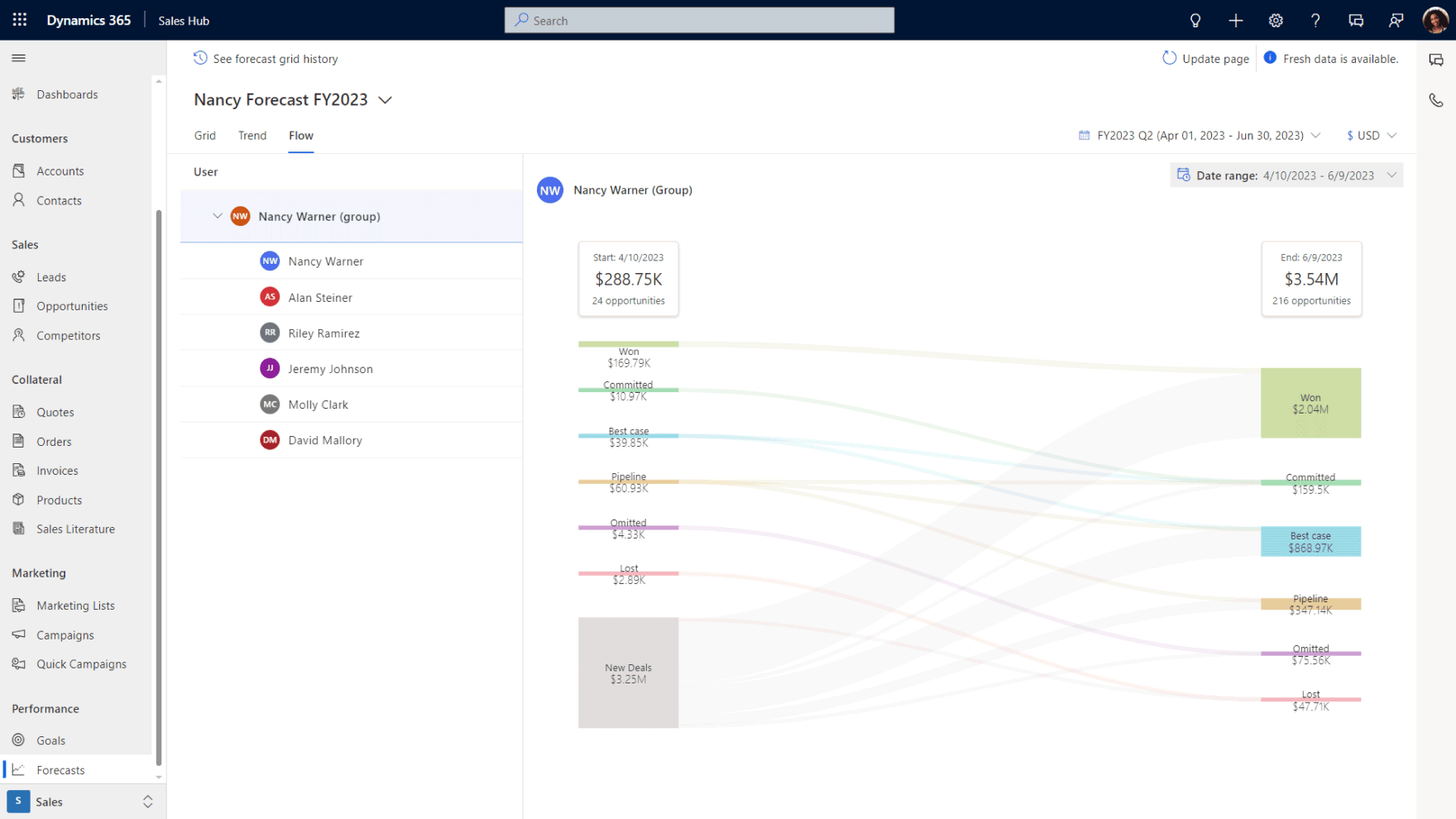
These are the specific deliverables you should hold your CRM implementation specialist accountable for. If any of them are missing at go-live, the implementation isn't finished.
A configured pipeline that matches your sales process
Every stage should reflect a real step your team takes to move a deal forward. The terminology should match how your reps talk about deals internally. Deal probability percentages should be calibrated to your close rates rather than software defaults. If your reps look at the pipeline and see stages they don't recognise or language they wouldn't use in a sales meeting, the configuration missed.
Automation that saves your team time without creating confusion
Lead assignment rules should route incoming leads to the right rep based on territory or account size, and follow-up task creation should fire when deals sit at a stage beyond a set number of days. The distinction between useful automation and annoying automation comes down to whether the CRM implementation specialist built the rules around how your team sells or around platform defaults.
Clean data in a reliable structure
Whether migrating from a previous CRM or from spreadsheets, the CRM implementation specialist should deliver a database with deduplicated contacts and properly mapped fields. Records should be validated before the system goes live. A database full of duplicates and incomplete records trains your team to ignore what the CRM dashboard tells them, and recovering from that early impression takes far longer than cleaning the data upfront.
Integrations that work
Outlook email tracking against contact records and calendar sync for meetings should be tested with real data before go-live. If the sales process requires a connection to your accounting platform, that integration needs the same level of testing. A partial integration that syncs some data and misses the rest creates more confusion than no integration at all.
Dashboards and reports your leadership asked for
Pipeline value by stage and win rate by rep should be built and populated before the CRM is handed to the team. A sales dashboard that gives leadership real visibility into pipeline health is the deliverable that earns executive buy-in faster than anything else in the implementation. The best sales management software structures reporting for growing teams so that the numbers leadership sees are accurate and current without anyone compiling them manually. The moment your VP pulls a report and sees complete data is the moment the CRM starts being operational infrastructure.
What a CRM implementation specialist costs in Canada
CRM implementation costs in Canada depend on the platform, the complexity of your sales process, the size of your team, and how much custom configuration your business requires. For a Canadian small business running a team of 5-15 CRM users with a standard B2B sales process, implementation costs typically range from $10,000 to $50,000 CAD. Mid-market companies with multiple departments, complex integrations, and data migration from legacy systems see costs between $50,000 and $150,000 CAD.
These figures cover the CRM implementation specialist's time across discovery, configuration, data migration, integration, and training. They're separate from the CRM platform subscription, which is an ongoing monthly per-user cost. Understanding Dynamics 365 pricing on the licensing side separately from implementation investment prevents the two numbers from blurring together when you're building your budget.
The CRM implementation specialist is worth the investment when you calculate what a failed CRM costs your business. Low adoption means reps aren't updating the system, which means leadership can't forecast with confidence. Rebuilding a poorly configured CRM six months after launch costs more than the original implementation because the specialist has to undo the previous work before starting over.
For Canadian businesses comparing quotes, the cheapest CRM implementation specialist on the shortlist can become the most expensive decision you make that year if the implementation doesn't hold up.
A CRM implementation specialist who understands Canadian B2B sales will build a system your team uses
Gestisoft has been implementing Dynamics 365 CRM for Canadian businesses for over 25 years.
 Book a free consultation
How Gestisoft works as a CRM implementation specialist for Canadian businesses
We don't spend six months building a perfect system in isolation and then hand it to your team fully formed. Our approach to CRM implementation is to build fast, get your team using it, and refine based on what they discover during real daily use. The configuration evolves alongside your team's understanding of what they need from the platform, which means the system your team uses in month six is considerably sharper than the one that launched in month one.
“Their fast implementing approach enabled us to start with basic assumptions and we put them into the CRM. Two months after implementation, we looked to see if it really made sense in our day-to-day work.”
The CRM implementation specialist you hire determines what your team's relationship with the CRM looks like for the next several years. Every Gestisoft engagement keeps the same person from discovery through to post-launch optimization. The specialist who sat with your sales team and learned how your deals move is the same person tuning the automation rules in month two when your team has opinions about what's working and what needs adjusting.
Canadian B2B companies who are ready to get serious about their CRM investment are the ones we do our best work for. If you've got questions about your sales process, your data, or what the right platform looks like for your team, that's exactly where the conversation should start.
-
A CRM implementation specialist configures a CRM platform to match a business's sales process, data structure, and reporting needs. The work covers discovery and pipeline configuration alongside data migration, integration with existing tools, and user training. The role requires both technical platform knowledge and an understanding of how sales teams operate.
Explore more
Liked what you just read? Sharing is caring.

May 25, 2026 by Shelley Sunjka by Shelley Sunjka Copywriter & Marketing Strategist
Armed with a psychology degree and an irrational obsession with okapis, I've spent the last decade helping bold brands tell better stories. I believe the best writing bends grammar rules on purpose and makes people feel something. When I'm not deep in words or nerding out on buyer behaviour, I'm probably convincing my kids that impromptu kitchen dance parties are totally normal.

