Most businesses don’t start out looking for a CRM expert.
Under normal circumstances the CRM seems to work just fine. All deals are tracked and contacts are stored. The sales team then updates a few notes after each call so leadership can open a report and get a rough idea of what the pipeline looks like.
Then growth starts to complicate things.
As new reps join the team, marketing tools and automations get added to speed things up. Reports become more detailed and suddenly the CRM that once felt simple begins to behave in strange ways.
Deals sit in the wrong stages and forecast numbers change depending on who pulls the report. Sales reps stop updating records because the process takes too long. Managers end up exporting everything into spreadsheets just to understand what’s actually happening in the pipeline.
This is the point where many growing businesses realise that they don’t have a software problem… They have a CRM structure problem!
And that’s exactly where the CRM expert comes in.
A CRM expert does much more than manage a system and fix technical issues. They design the structure behind your CRM so your sales process makes sense and your data can be trusted. Your team can then actually use the system to grow revenue.
Let’s look at what a CRM expert really does and why businesses often need one as they grow. You’ll see how the right expertise can turn a messy CRM setup into a reliable engine for predictable sales performance.
Who is a CRM expert?
A CRM expert is a professional who designs, configures and optimises customer relationship management systems so they support the way a business sells. Their work focuses on structuring pipelines, organising customer data and building reporting that leadership can rely on for forecasting and decision making.
Unlike a basic CRM administrator, a CRM expert connects the technology to the sales process. This ensures the system reflects how deals move through the organisation and provides reliable insight into pipeline performance.
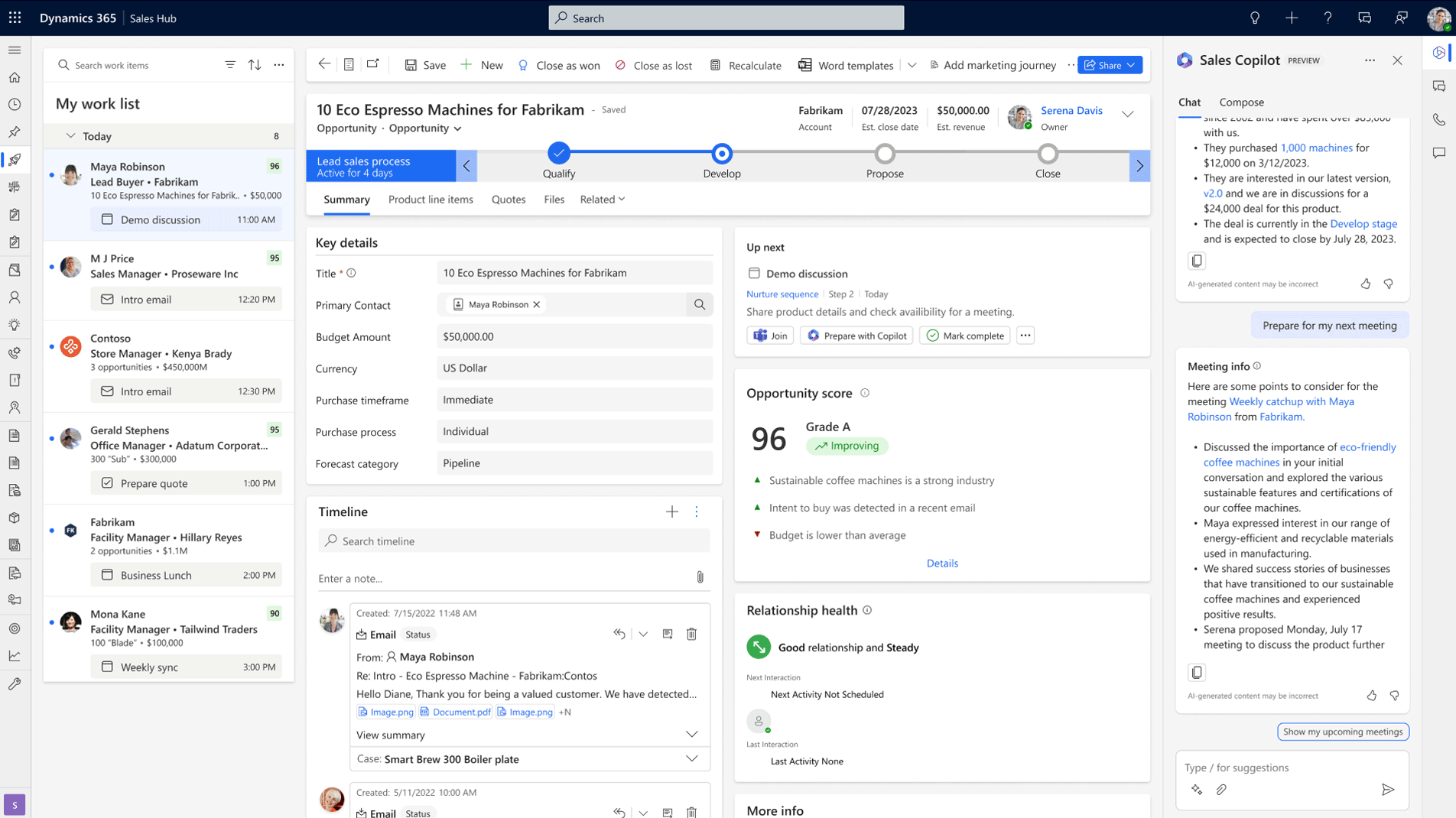
Why does the role matter for business growth?
A CRM expert sits at the intersection of sales and technology. Their job is to make sure the CRM system aligns with the company's business strategy and supports how the company sells.
Most CRM platforms are extremely flexible. They allow you to build pipelines, automate tasks, connect marketing tools and generate detailed reports. But that flexibility also means the system can be configured in hundreds of different ways.
Without the right structure, teams often end up working around the CRM instead of with it.
A CRM expert helps prevent that from happening by taking the time to understand how your sales process works, how your teams interact with customers and what information leadership needs to run the business. Then they configure the CRM so it reflects that reality.
When this is done properly, the system becomes much easier for everyone to use.
Sales reps can quickly see where each deal stands and managers can review pipeline performance without chasing down updates. Leadership can then rely on the numbers in front of them for forecasting. This allows them to make accurate decisions about hiring and growth.
This is why the role of a CRM expert becomes more important as companies scale.
The larger the sales operation becomes, the more people depend on the CRM to understand what‘s happening across the business. At that point, having the right expertise behind the system is no longer a luxury. It becomes a key part of keeping the revenue engine running smoothly.
Bring clarity to how your CRM supports growth
A CRM expert can quickly identify structural issues that are preventing your system from supporting accurate reporting and sales performance.
 Free discovery call
What does a CRM expert do inside a CRM system?
A CRM expert turns a flexible CRM platform into a system that reflects how your business sells.
Instead of forcing teams to adapt to the CRM system, they shape the CRM so it supports the real sales process. This involves designing the right pipeline structure and building useful automation. This allows leadership to rely on the data in the system.
Here are some of the key ways a CRM expert works inside a CRM platform.
They design sales pipelines
The sales pipeline should mirror the way deals move through your sales process.
A CRM expert works with the sales team to map out the process and translate it into clear pipeline stages. Each stage represents real progress in the deal.
With properly defined stages, sales reps know exactly where opportunities stand and managers can quickly see where deals are slowing down.
In many organisations a deal can move through several stages before it closes. A CRM expert may introduce qualification checkpoints so that an opportunity cannot move forward unless certain information has been recorded. This might include confirming the decision maker, identifying the expected deal value or documenting the customer’s timeline.
These small structural rules help keep the pipeline accurate and prevent opportunities from progressing without the information leadership needs for forecasting.
They build automation that support sales teams
Automation helps remove repetitive work from the sales team.
The CRM expert identifies routine tasks that can be handled automatically, like assigning leads and creating follow-up reminders or updating deal records.
The goal is to reduce manual work so sales reps can spend more time speaking with customers.
They create reporting that leadership can trust
Leadership depends on clear reporting to understand how the sales team is performing.
A CRM expert ensures the right information is captured consistently across the system. They also structure reports so managers can easily track deal progress and sales performance.
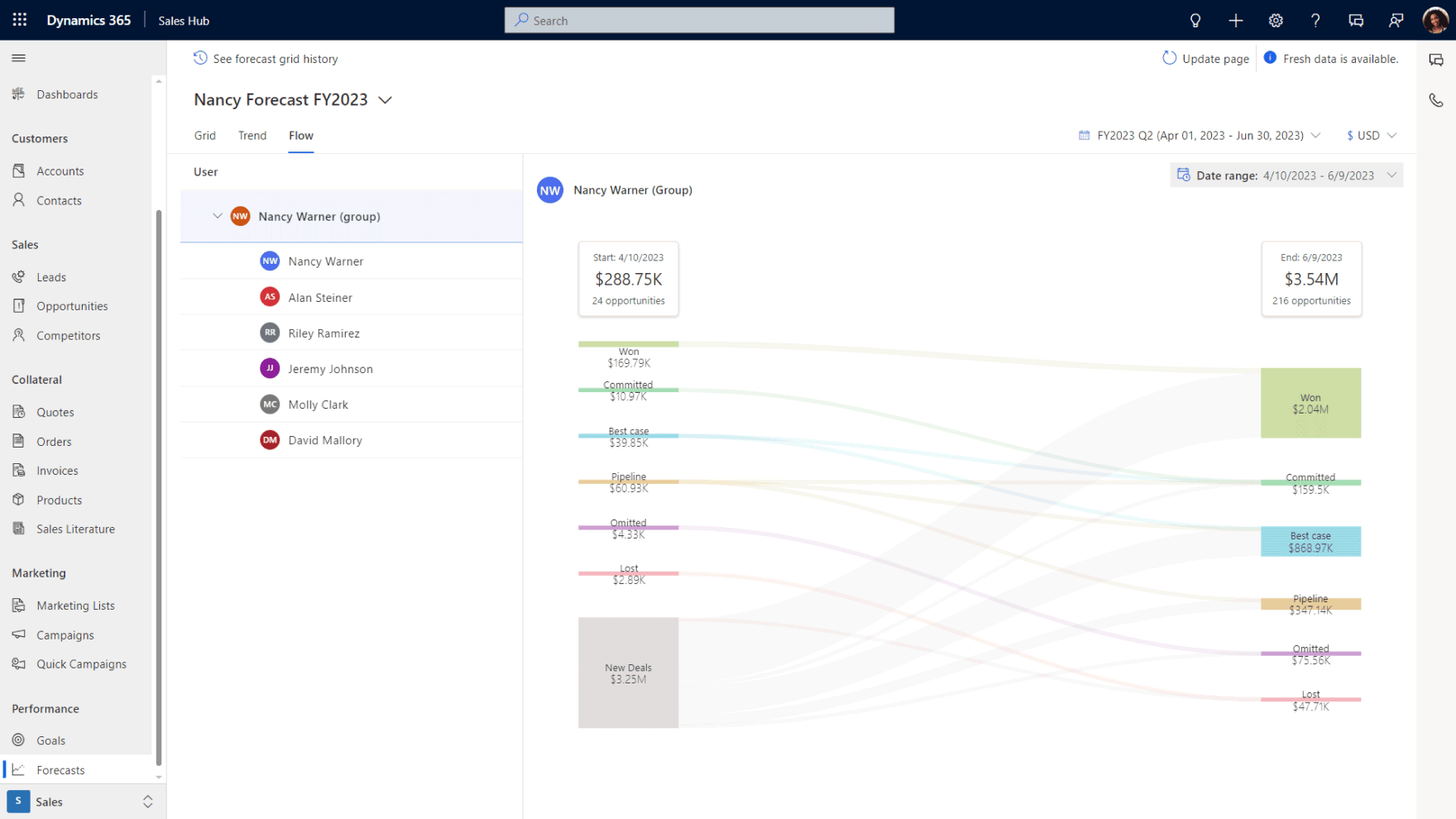
With the right setup, leaders can review the health of the pipeline without relying on separate spreadsheets.
They improve forecasting accuracy
Sales forecasts depend on reliable pipeline data.
A CRM expert helps ensure deals are tracked consistently and that pipeline stages reflect genuine progress toward closing.
When the underlying data is accurate, forecasts become much more useful for planning revenue and hiring.
Why does a businesses need a CRM expert
Most companies don’t start looking for a CRM expert because they are planning a big CRM project.
The search usually begins when the system that once seemed helpful starts creating small frustrations across the business.
At first, the signs are easy to ignore.
A sales rep mentions that updating deals takes too long. A manager struggles to pull together a reliable report before a pipeline meeting. Leadership notices that the forecast numbers change depending on who prepares the report.
Individually, these problems don’t seem serious. But over time they start to add up.
One of the first warning signs is declining CRM adoption. Sales reps stop updating records because the process feels slow or unnecessary. When this happens, the information inside the system quickly becomes outdated and the reports lose their value.
Another common issue is pipeline visibility. Deals sit in the same stage for weeks and it becomes difficult to tell whether opportunities are progressing or stalling. Managers end up chasing updates instead of focusing on coaching the team.
Forecasting problems often follow close behind. If deals are not tracked consistently, the numbers inside the CRM no longer reflect reality. Leadership may see one revenue projection in the CRM and a completely different number in a spreadsheet built by the finance team.
Data quality can also start to decline. Duplicate contacts appear, customer records become inconsistent and different teams begin working with slightly different versions of the same information.
With poor data, automation can create its own problems. Workflows that were meant to save time may start triggering at the wrong moments or assigning tasks incorrectly. Instead of helping the sales process, they create confusion and delays.
When several of these issues appear at the same time, the CRM stops functioning reliably and teams begin working around the system rather than inside it.
This is usually the point where businesses realise they need help from a CRM expert.
The CRM expert will review how the system is currently being used and identify where the structure has broken down. They then rebuild the CRM so it supports the way the company sells.
Once that structure is in place, the system becomes far easier to trust and far more valuable to the entire organisation.

CRM expert vs CRM consultant vs CRM administrator
At this point, many businesses start hearing several different titles being used.
- CRM expert, sometimes called a CRM specialist.
- CRM consultant.
- CRM administrator.
On the surface they sound similar, but the roles are not the same.
CRM administrators focus on the day-to-day management of the system. They handle user permissions and updates to the platform. Their job is to keep the system running and make sure people can access the tools they need. This role is mostly operational.
A CRM consultant works at a more strategic level. Consultants often help companies choose a CRM platform, plan implementation and guide a major system change. They may review sales processes and recommend improvements. They help leadership decide how the CRM should support the business. Their work is often project based.
The CRM expert sits somewhere between these two roles.
They understand the technical side of the CRM platform and also understand how sales teams operate. They are also familiar with how revenue flows through the business. Their focus extends beyond launching CRM projects or maintaining the system. They also make sure the CRM continues to support the company as it grows.
In many businesses, the CRM expert becomes the person responsible for aligning the system to the real sales process. They review the pipeline structure and improve reporting to make sure the information inside the CRM reflects what’s happening with customers.
This ongoing alignment by the CRM expert is what keeps the CRM useful over time. Without it, even a well-implemented system can slowly drift away from how the sales team really works. When that happens, the same frustrations start to return and teams once again begin working outside the CRM.
Get the right CRM expertise for your business
If your CRM system is no longer reflecting how your sales team works, a CRM expert can help restructure it so the data and reporting become reliable again.
 Free discovery call
How a CRM expert improves sales performance
A well-configured CRM does more than just organise customer data.
It helps the sales team move deals through the pipeline faster and with more consistency.
The CRM expert improves sales performance by shaping the system around the mechanics of the sales process.
One of the first areas they focus on is lead qualification.
Not every lead entering the system is ready to buy. Without clear qualification rules, sales teams often spend time chasing opportunities that were never likely to convert. The CRM expert helps define what information must be captured before a lead becomes a real sales opportunity. This keeps the pipeline focused on deals that genuinely have potential.
Another important area is pipeline discipline.
Each stage in the CRM should represent a clear step in the buying process. The CRM expert ensures those stages are defined properly and that deals only move forward once the right information is recorded. This prevents opportunities from jumping stages or remaining stuck without clear progress.
Activity tracking is another key factor.
Sales leaders often want to understand how much outreach is happening across the team. A CRM expert can structure the system so emails, meetings and calls are logged automatically. This creates a clearer picture of sales activity and helps managers identify where deals may need additional attention.
A CRM expert also works on opportunity visibility.
By structuring the right fields and reports inside the CRM, leadership can quickly see which deals are progressing, which ones are slowing down and where the biggest revenue opportunities are sitting in the pipeline.
Automation also plays a role in improving performance.
A CRM expert can configure workflows that trigger reminders and assign follow-ups, or notify managers when deals reach key stages. These automations help maintain momentum so opportunities do not stall.
Together, these improvements make the sales process more structured and predictable.
Sales reps have clearer guidance on how to manage their opportunities. Managers gain better visibility across the pipeline and leadership can make decisions with greater confidence.
Why CRM platforms like Microsoft Dynamics often require a CRM expert
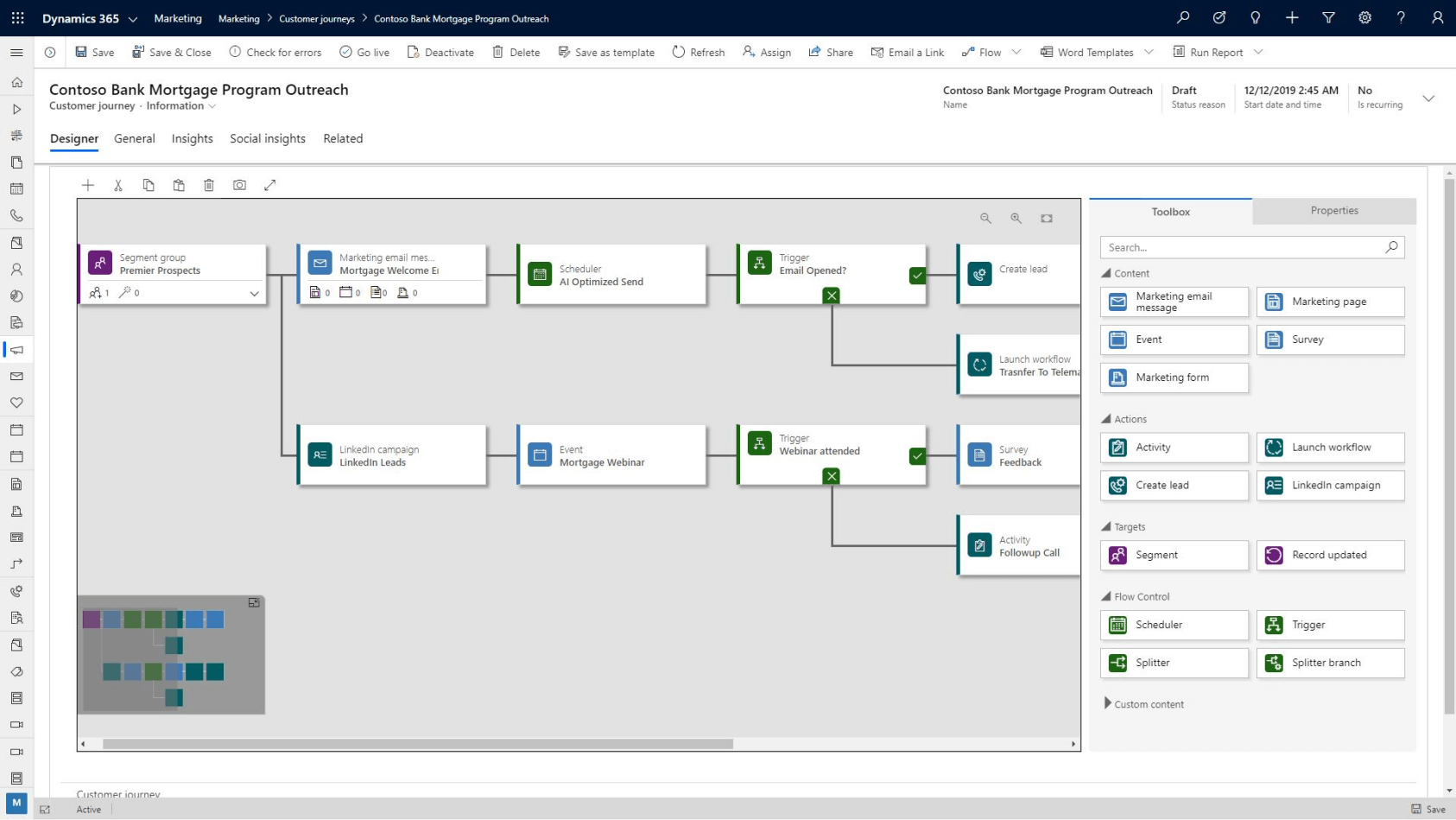
Modern CRM platforms like Microsoft Dynamics 365 are extremely powerful and are designed to allow businesses to manage sales pipelines and automate workflows. They also connect marketing tools and generate detailed reporting across the entire organisation.
This level of flexibility is one of the platform’s greatest strengths. But it also means the system does not arrive fully aligned with how a company sells. Most CRM platforms are designed to support many different industries and sales models. Out of the box, they provide a framework, not a finished solution.
The CRM expert works with leadership and the sales team to translate the real sales process into the system. Pipeline stages must be defined correctly, data fields need to capture the right information and reports must reflect the metrics leadership uses to track performance.
Without that structure, even a powerful platform becomes difficult to manage.
Modern CRM systems allow businesses to build automated workflows that trigger actions across different departments. Leads can then be routed automatically and follow-up reminders can be created so that opportunities can be moved through different processes as they progress.
If these workflows are not designed carefully, they can create confusion.
A CRM expert reviews how the different teams operate and builds automations that support those real workflows. The goal is to reduce manual work while keeping the process clear and reliable.
Many businesses also connect their CRM with marketing platforms. Customer service tools and financial systems can then be integrated. These connections allow data to move between departments and create a more complete view of the customer journey. But when integrations are not configured properly, they can introduce duplicate records, conflicting data or broken reporting. The CRM expert ensures that information flows cleanly between systems so each department works with the same data.
This is why many growing businesses rely on a CRM expert when implementing or expanding a platform like Microsoft Dynamics 365.
The software provides the capability. The CRM expert ensures it works the way the business needs.

Should you hire an internal CRM expert or work with a CRM expert partner
Once businesses realise they need a CRM expert, the next question is whether that expertise should exist inside the company or come from an external partner?
Both approaches can work, but they serve different needs.
Hiring an internal CRM expert can make sense for organisations that rely heavily on their CRM every day. Large sales teams often need someone dedicated to managing the system and maintaining data quality. They also need a support contact across the business.
An internal expert develops a deep understanding of how the company operates and over time they become familiar with the sales process and reporting requirements across the different systems connected to the CRM. However, building that level of expertise internally can take time.
Modern platforms like Microsoft Dynamics 365 offer a wide range of capabilities, and learning how to configure them properly requires experience. Many companies discover that it's difficult for one person to master both the technical side of the platform and the operational side of the sales process.
This is where working with an external CRM expert partner becomes the better option.
Specialised CRM partners work with many organisations across different industries. They have seen how CRM systems succeed and where they tend to break down. That experience allows them to identify structural issues quickly and design systems that support real sales processes.
A CRM partner can also provide valuable support during important transition points like implementing a new CRM platform and expanding a sales team, or integrating new systems into the existing technology stack. During these moments, experienced guidance can prevent costly mistakes and ensure the system is built on the right foundation.
For many growing businesses in Canada, this is where working with an experienced partner such as Gestisoft becomes valuable.
As a Microsoft Dynamics 365 CRM specialist, Gestisoft helps organisations design and implement the system to align with how their sales teams operate.
Our team works closely with leadership and sales managers to structure pipelines and build reporting that supports real decision making. Instead of forcing businesses to adapt to the software, the system is shaped around the company’s sales process.
This approach allows companies to gain the full benefit of a powerful platform like Microsoft Dynamics while avoiding many of the configuration problems that often appear as systems grow.
In practice, many organisations choose a blended approach.
Internal teams manage the day-to-day use of the system, while a trusted CRM expert partner provides guidance on configuration, optimisation and long-term strategy.
This allows the business to maintain control of the CRM while still benefiting from specialised expertise when it matters most.
Get expert guidance on your Microsoft Dynamics CRM
A short conversation with a CRM expert can help you identify the changes needed to make your CRM support long-term growth.
 Free discovery call
How Gestisoft helps businesses in Canada scale with Microsoft Dynamics 365
As businesses grow, the way they manage customer relationships has to evolve with them.
What works for a small sales team quickly becomes difficult to manage when deals become more complex and multiple departments begin interacting with the same customers. This is where an experienced CRM expert becomes critical.
Microsoft Dynamics 365 is designed to support that level of growth. The platform is powerful and flexible, which is exactly why many organisations choose it, but the system still needs to be configured properly.
That’s where Gestisoft comes in.
Gestisoft specialises in Microsoft Dynamics 365 CRM and works with Canadian organisations that want their CRM to support the way their sales teams operate. Instead of approaching Dynamics as a piece of software to install, Gestisoft approaches it as a business system that has to reflect how deals move through the organisation.
This work often begins by reviewing how opportunities are managed today. From there, Gestisoft helps structure the CRM so that important information is captured at the right moments in the sales cycle and leadership can see what is happening across the pipeline without relying on manual reporting.
As the business expands, the CRM has to grow with it.
Gestisoft supports organisations through these changes by refining their Dynamics 365 environment over time. This ongoing work helps ensure the CRM continues to provide reliable information and remains useful for the people who depend on it every day.
For many growing organisations in Canada, this ongoing guidance is what turns Microsoft Dynamics from a software platform into a genuine business system.
-
A CRM expert helps design and configure the CRM system so it supports the company’s real sales process. This includes structuring pipelines, defining the right data fields, improving reporting and setting up automation that supports daily sales activity. The goal is to make sure the CRM provides reliable information that leadership can use to guide business decisions.
Liked what you just read? Sharing is caring.

March 10, 2026 by Shelley Sunjka by Shelley Sunjka Copywriter & Marketing Strategist
Armed with a psychology degree and an irrational obsession with okapis, I've spent the last decade helping bold brands tell better stories. I believe the best writing bends grammar rules on purpose and makes people feel something. When I'm not deep in words or nerding out on buyer behaviour, I'm probably convincing my kids that impromptu kitchen dance parties are totally normal.

