

Most organizations discover the difference between a good Microsoft implementation consultant and a mediocre one around month seven. Not at the contract signing. Not during the demo. Month seven, when the system is live, the consultant has moved on, and half the team is still working from spreadsheets because the configuration never really reflected how anyone works.
That's not a technology problem. It's a people and process problem that the right implementation expert could have prevented before a single line of configuration was written.
This article explains what a Microsoft implementation consultant does, how the process unfolds in a Canadian business context, what separates a strong engagement from a costly rebuild, and how to choose the right partner before the project starts.
Ready to Stop Guessing and Start Implementing?
Talk to a Gestisoft Microsoft implementation consultant before your project kicks off. One conversation can reframe your entire approach.
 Book a free consultation
What a Microsoft implementation Consultant Does
Many individuals apply the title loosely. An IT generalist who has set up Microsoft 365 for a handful of companies might call themselves one. So might a developer who builds Power Apps on weekends and a Dynamics administrator who spent three years at a single manufacturer before going independent.
None of those people are wrong to use the term. But there's a difference between someone who knows the software and someone who knows how to make the software work inside a real organization, with real political dynamics, legacy processes, and a team that had zero input on the decision to implement.
A proper Microsoft implementation consultant sits at the intersection of business analysis and platform expertise. They understand how your sales team closes deals before they configure Dynamics 365 Sales, as well as understand your month-end close before they touch Business Central. They also ask uncomfortable questions about which processes you should absolutely keep before recommending how to automate them.
The strongest practitioners work within certified Microsoft Solutions Partner organizations, where exposure to dozens of implementations across different industries builds judgment that no training course can replicate. That breadth is the difference between someone who knows what the buttons do and someone who anticipates what happens six months after go-live.
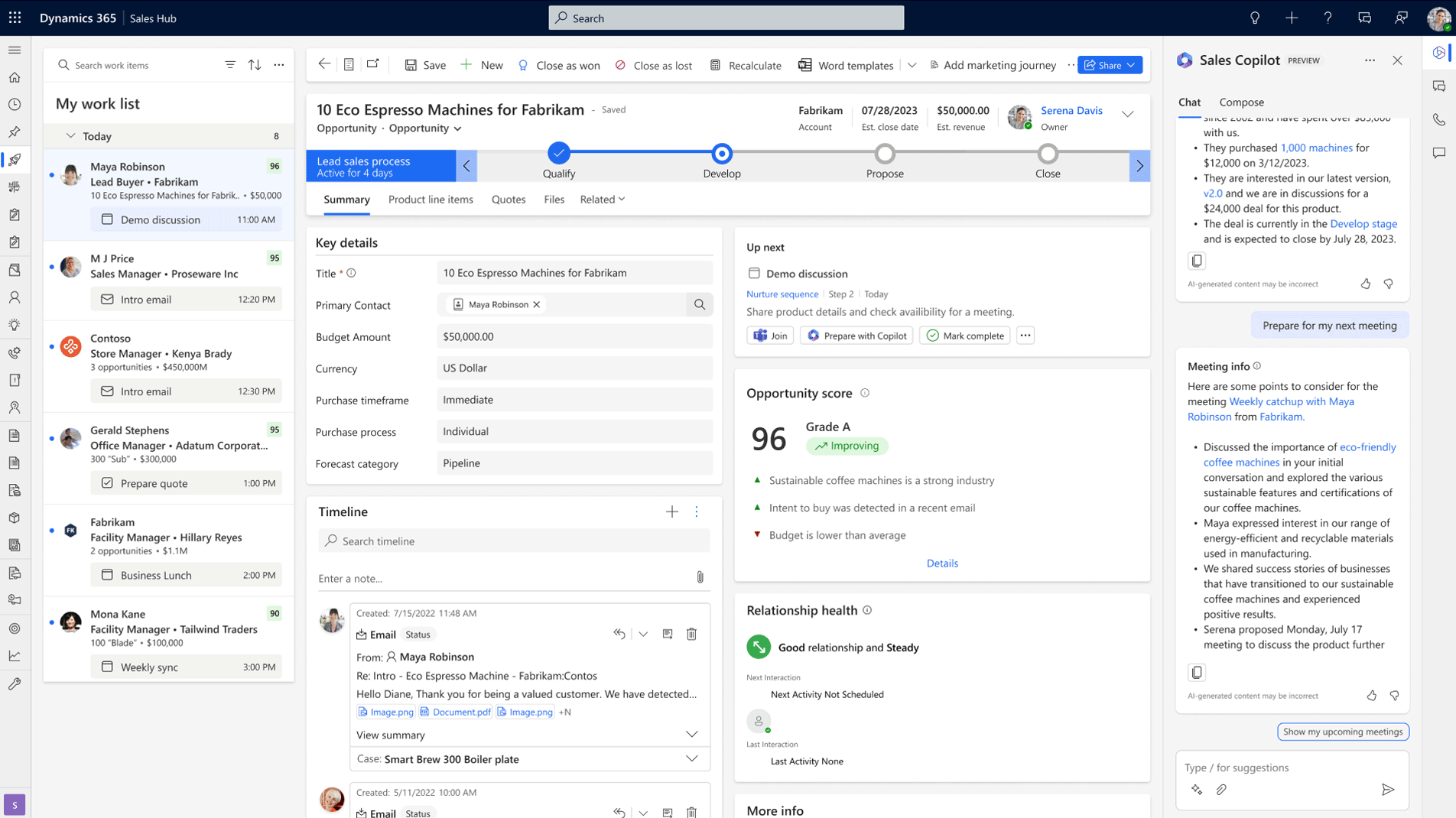
The 5 Phases of a Microsoft Implementation Consultant
Understanding the implementation process helps you evaluate whether a Microsoft implementation consultant is moving through it properly or cutting corners that will cost you later.
Phase 1: Discovery and Process Mapping
A consultant who skips this phase is a problem. Discovery is where the scope of the engagement is defined, not from a features checklist, but from a genuine examination of how your organization operates.
- What data do you currently have?
- Where does it live?
- How does it move between teams?
- Where does it get lost?
Organizations consistently underestimate how much institutional knowledge lives outside any documented process. A good Microsoft implementation consultant is trained to surface it before it becomes a gap in the build. At Gestisoft, our Dynamics 365 CRM implementation process starts here because the decisions made in discovery shape everything downstream. A poorly scoped project doesn't just fail at go-live. It fails at configuration when the design doesn't match reality.
Phase 2: Solution Design
Once discovery is complete, the consultant translates business requirements into a technical blueprint. This includes deciding which modules to activate, how data will be structured, what integrations are necessary, which workflows should be automated, and what a realistic rollout sequence looks like.
This is also where a skilled Microsoft implementation consultant earns their keep on scoping. Many organizations come in wanting everything at once. A good one pushes back, not because they can't build it, but because a phased rollout with strong adoption at each stage consistently outperforms a big-bang deployment where nobody ends up using the full system.
Phase 3: Configuration, Customization, and Integration
This is the phase most people picture when they think about what a Microsoft implementation consultant does: configuring the platform, building custom workflows, and connecting Dynamics 365 or Business Central to the other tools the business relies on.
Note: customization and configuration are not the same thing. Configuration uses the platform's native capabilities to match your processes. Customization involves writing code to extend the platform beyond what it does natively. A skilled consultant minimizes customization wherever possible, because every custom component becomes a maintenance liability when Microsoft releases updates.
The integration layer is where many implementations run into trouble. Connecting Microsoft Copilot across the environment, linking Business Central to a third-party logistics system, or integrating Dynamics 365 Sales with an existing marketing platform all require careful planning to ensure data flows reliably in both directions.
Phase 4: Data Migration
ERP implementation phases consistently rank data migration as one of the highest-risk stages of any project. Your historical data, including customer records, financial history, open transactions, and vendor information, needs to move from your legacy system into the new environment accurately and completely.
A Microsoft implementation consultant who takes this seriously will run multiple test migrations before the live cutover, validate data integrity at each stage, and build a clear rollback plan. A consultant who treats data migration as a checkbox will hand you a system full of dirty data that teams immediately stop trusting.
Phase 5: Training, Go-Live, and Post-Implementation Support
User adoption is where implementations succeed or fail in practice. A technically perfect configuration that nobody uses is a failed implementation. A consultant who disappears after go-live has delivered half a project.
Good post-implementation support means a dedicated period where your Microsoft implementation consultant is available to resolve issues, refine configurations based on real usage, and help team leaders embed the new system into daily workflows. The important metric is not whether the system is live. It's whether adoption is climbing three months after launch.
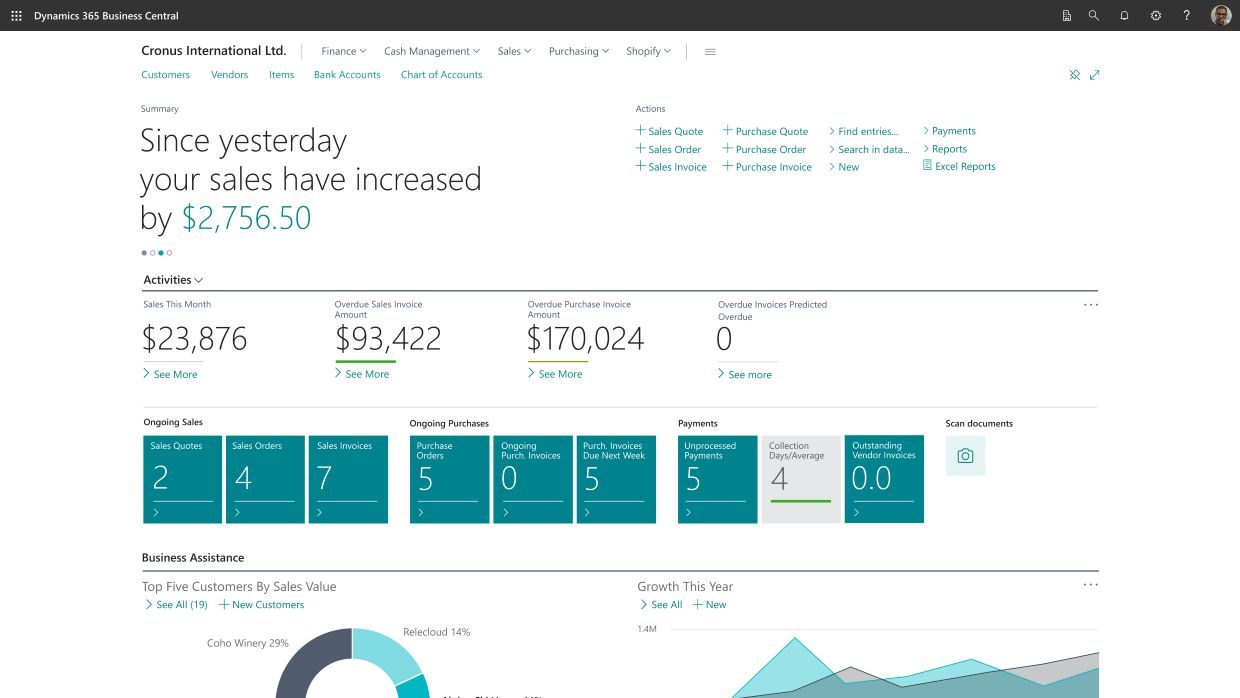
The Canadian Context: Why a Microsoft Implementation Consultant Changes Everything
A Microsoft implementation consultant working in Canada faces a set of requirements that a consultant optimizing for US or UK businesses simply doesn't think about. This matters more than most organizations realize when they're evaluating firms.
Bilingual delivery → Organizations operating nationally, or in Quebec specifically, need an implementation that works in both official languages. That includes user interface configuration, training materials, documentation, and ongoing support. A unilingual implementation of a bilingual organization's CRM creates a two-tier user experience that drives adoption gaps along language lines.
Provincial tax and payroll complexity → Canadian payroll and tax obligations vary meaningfully by province. An ERP implementation that doesn't account for Quebec's CCQ reporting requirements, Alberta's payroll rules, or HST/QST distinctions will need to be rebuilt in the jurisdictions it ignored. A Microsoft implementation consultant with real Canadian experience builds these requirements into the architecture from day one.
Data residency and PIPEDA compliance → Canadian privacy law requires careful attention to where data is stored and how it moves. Configuring Azure-hosted solutions for Canadian organizations means understanding Microsoft's Canadian data center options and meeting PIPEDA alongside provincial privacy requirements.
French-language software obligations → Quebec's language legislation creates specific obligations for software deployed in the province. A consultant who has worked extensively in Quebec understands how to configure interfaces, reports, and workflows to meet these obligations without creating a parallel system.
Gestisoft is one of the few Microsoft Solutions Partners in Canada with over 25 years of bilingual implementation experience, serving organizations from British Columbia to the Atlantic provinces. Our team understands Canada not as a market footnote but as the primary context for every project we run.
Not Sure Where Your Implementation Stands?
Whether you're at the planning stage or mid-project with concerns, Gestisoft's team can assess where you are and what's needed next.
 Book a free consultation
What a Microsoft Implementation Consultant Costs in Canada
The honest answer is that it depends on scope, complexity, and how much customization the engagement requires. But the more useful framing is the comparison that almost never makes it into the initial budget conversation.
Engagements typically run from $30,000 for a scoped, pre-configured deployment to well over $200,000 for a multi-site, heavily customized enterprise rollout with deep integrations. Organizations that implement without a qualified Microsoft implementation consultant, or with one who skipped discovery, routinely face a rebuild 12-18 months later, at full cost, while the business is running on a system that doesn't work properly.
Understanding the true cost of implementation before you start is part of what good consulting provides. And the Dynamics CRM cost looks very different when you factor in the ROI: Microsoft's own benchmarks show Dynamics 365 customers reducing administrative task time by an average of 18%, with data processing improvements that translate directly into faster decisions. A consultant who configures the system to capture those gains changes the ROI calculation meaningfully.

When You Need a Microsoft Implementation Consultant vs. an Internal IT Team
Internal IT teams are valuable. They know the organization, understand the existing infrastructure, and are available after go-live without an additional engagement. For organizations with large, experienced IT departments that include Dynamics 365 or Business Central specialists, internal-led implementations can work.
But most Canadian businesses don't have that profile. They have IT teams skilled at maintaining existing infrastructure, not at the business process design, change management, and platform-specific configuration expertise that a successful Microsoft implementation requires.
The role of an ERP consultant versus an internal IT professional comes down to one structural difference: a Microsoft implementation consultant has seen what happens when specific decisions go wrong across dozens of engagements. Your internal IT team is seeing this implementation for the first time. That's not a criticism; it’s a reality that affects risk.
The strongest implementations at Gestisoft are ones where a sharp internal IT contact acts as the bridge between the organization and our consultant team. The internal team provides context and owns user relationships. Our consultants bring implementation methodology and platform depth. That combination consistently outperforms either side working alone.
What to Look for When Evaluating a Microsoft Implementation Consultant
Before you sign a statement of work, the criteria below will help you separate firms with genuine capability from those with a strong sales process and thin delivery.
1. Multi-product platform coverage.
A consultant who only works in CRM will configure Dynamics 365 without thinking about how that data needs to flow into Business Central. One who only works in ERP will build financial workflows without understanding what the sales team needs to see. Most implementations that fall apart do so at exactly that junction. Look for a partner who covers both, with the CRM consulting and ERP consulting depth to prove it.
2. Canadian implementation references.
Ask for case studies from Canadian organizations in a similar industry and size. Implementation experience in the US or Europe doesn't automatically transfer to the Canadian compliance and tax environment. A Microsoft implementation consultant with a strong Canadian track record has already solved the problems you're about to encounter.
3. Structured methodology.
Ask what implementation methodology the firm follows. Microsoft's Sure Step framework and agile delivery models both work. There is a framework in which milestones are defined, and the consultant can explain what happens at each stage. Engagements that run on "we'll figure it out as we go" consistently overrun time and budget.
4. Post-go-live support structure.
Find out exactly what happens after the system launches. Who is the contact? What's the response SLA? Is there a structured optimization period built into the engagement, or does the relationship end at go-live? A Microsoft implementation consultant who builds in a post-launch period for refinement and adoption support understands that go-live is the beginning, not the end.
5. Bilingual capability for Canadian deployments.
If your organization operates in both English and French, your consultant needs to deliver in both. This includes project management, training, documentation, and support, not just the interface configuration.
“What we really appreciate is that even in difficult times, Gestisoft supports us with solutions that are clear and adapted to our reality.”
Microsoft Implementation Consultant: Gestisoft’s Approach
Gestisoft has been implementing Microsoft solutions for Canadian organizations since 1997. Our team of 110+ specialists includes consultants with certifications across Dynamics 365 CRM, Business Central ERP, Microsoft 365, Power Platform, and AI-powered Microsoft Copilot.
Our 95% client renewal rate reflects something specific: we build implementations that hold up. Not just at go-live, but two years later when the business has grown, the team has changed, and the original configuration needs to evolve. That longevity comes from doing discovery properly, designing for how the business operates, and staying engaged past the point where most firms have moved on.
For organizations ready to have this conversation, we offer a free initial consultation with no obligation. In that conversation, a Gestisoft Microsoft implementation consultant will assess your current state, identify the gaps that most engagements miss, and give you a realistic picture of what a well-run project looks like for your organization.
If you’re ready to build something that holds up, Gestisoft's Microsoft implementation consultants have been doing this in Canada for over 25 years. Let's talk about your project and Book a Free Consultation today.
-
A Microsoft implementation consultant designs, configures, and deploys Microsoft business solutions, including Dynamics 365 CRM, Business Central ERP, and Microsoft 365, so they reflect how an organization operates. The role covers discovery, solution design, data migration, user training, and post-go-live support.
Explore More
What is ERP consulting? Process, benefits, cost A plain-language breakdown of what ERP consulting involves, what it costs, and how to evaluate whether you need it.
12 CRM implementation challenges and how to overcome them The most common reasons CRM implementations stall, and the specific steps that prevent them.
ERP implementation phases: 5 steps for a successful project A step-by-step look at how a well-run ERP implementation unfolds from discovery to post-go-live optimization.
Top 10 Microsoft consultants in Canada A curated list of leading Microsoft partners in Canada, with evaluation criteria to help you choose the right one.
Dynamics 365 CRM implementation services How Gestisoft approaches CRM implementation: from process mapping to pilot validation to adoption support.
Liked what you just read? Sharing is caring.

May 29, 2026 by Conni Guido by Conni Guido Copywriter and Brand Strategist
I started with a degree in Professional Communications and never looked back. Now, I'm a professional storyteller who believes every brand has a story to tell, and every good story should leave you wanting more. You can find me lost in a book club or a writing sprint, baking words into pies...probably both.
