

Nobody has ever called their Microsoft Dynamics implementation consultant at 2am in a panic, but the Monday morning after a botched go-live comes close. The sales team can't find their pipeline, and someone in customer service has already created a workaround spreadsheet before lunch. That scenario plays out more often than the industry likes to admit and it’s the reason teams have toxic codependent attachment to spreadsheets. Hate on them all you want, they work when the systems don’t.
Over half of CRM implementations fail to meet expectations, and the cause is almost never the technology. It's the consultant who configured the technology without spending enough time understanding the business it was supposed to serve.
Most Canadian businesses searching for a Microsoft Dynamics implementation consultant aren't shopping for software anymore. Dynamics 365 won the evaluation and the budget is approved. What happens next depends entirely on who configures it, and for Canadian B2B companies that means finding a consultant who understands how Canadian businesses run.
The platform is powerful enough to change how your entire sales organization operates. The consultant you choose determines whether that potential turns into daily reality or becomes the cautionary story your leadership team references every time someone proposes new software.
Your Dynamics 365 implementation deserves a consultant who starts with your business
Gestisoft helps Canadian companies build an implementation plan grounded in how their teams work today and where the business is headed.
 Book a free consultation
What a Microsoft Dynamics implementation consultant does (and what separates a good one from a bad one)
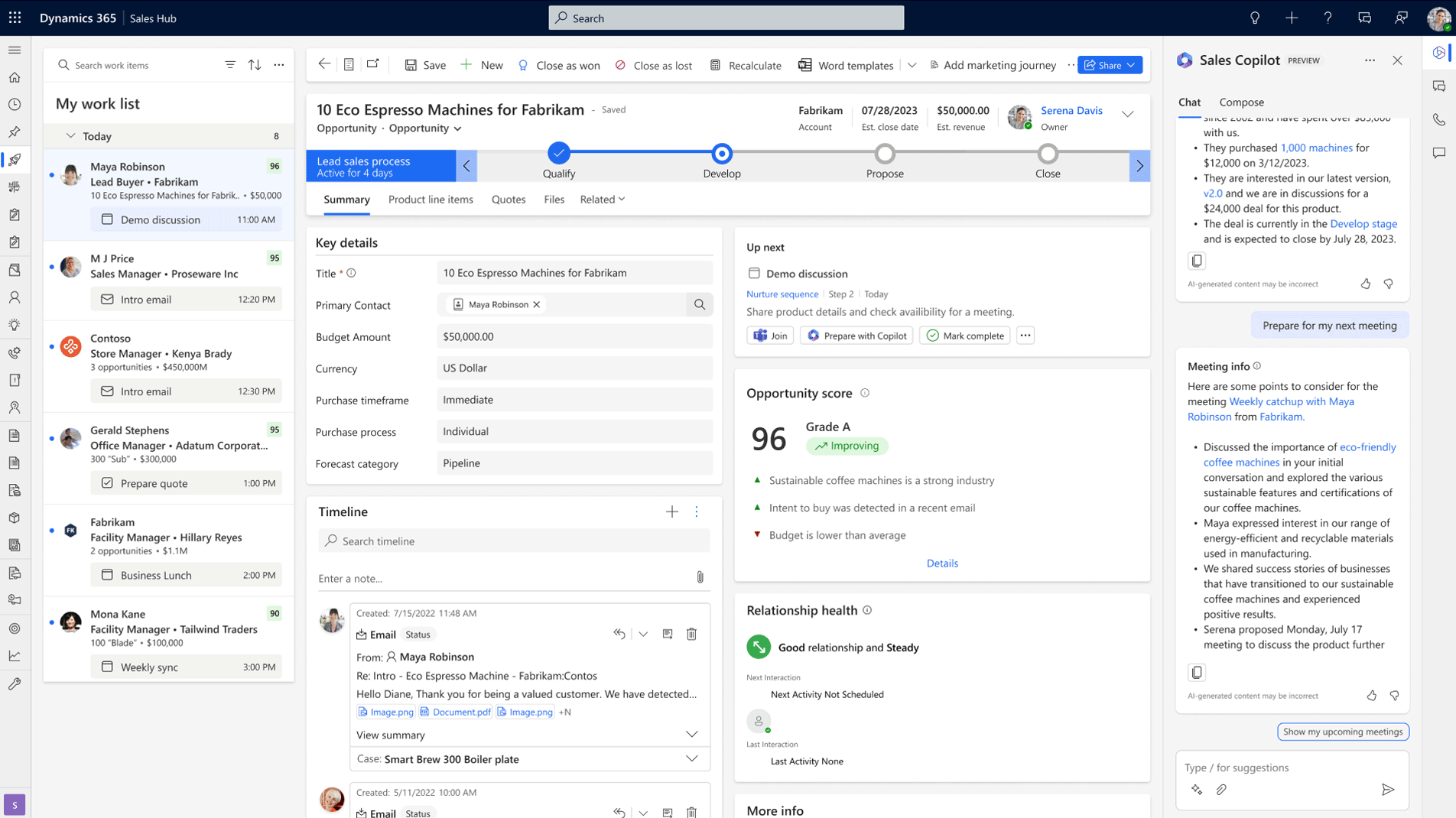
At the basic level, a Microsoft Dynamics implementation consultant takes the platform from its out-of-the-box state and configures it to match how your business operates. That means mapping your sales process into pipeline stages, building automation rules for lead routing and follow-ups, connecting Dynamics 365 to your existing tools, migrating data from your previous system, and training your team on workflows they'll use every day. The CRM software consultant role spans beyond technical configuration into business advisory, and the best ones spend more time listening to your team than they do inside the software during the first few weeks.
A good Microsoft Dynamics consultant spends the opening phase of the project inside your business processes before touching configuration. They sit with your sales team and learn how deals move through the pipeline and talk to operations about where handoffs slow down. They ask your leadership what reporting they need to make decisions with confidence. The configuration then reflects how your workflows run in practice.
A weak one opens the software and starts building configurations based on best-practice defaults. The first week of real team use is a nightmare because the workflows don't match how anyone in the building operates, and by that point the budget has been spent on a system your team can’t use.
A well-configured Dynamics 365 becomes operational infrastructure that your team depends on daily. A poorly configured one becomes the system people log into because they have to and work around when they can get away with it. The CRM implementation consultant you choose at the start determines which of those paths your business ends up on.
Why Microsoft Dynamics implementation consultant expertise varies so widely
Microsoft certifications only confirm that a consultant knows the platform. They don't tell you whether the consultant can translate your business into the platform. A certified Microsoft Dynamics implementation consultant can pass an exam on configuring security roles and managing data entities. Whether they can sit with your VP of Sales and understand why deals stall at the proposal stage is a completely different skill set, and certifications don't test for it.
The Microsoft Partner ecosystem includes thousands of firms globally, and the range in quality is enormous. Some specialize exclusively in Dynamics 365 and have built their entire practice around it. Others added Dynamics 365 to a broader IT services catalogue because client demand forced their hand. The difference in implementation depth between those two categories shows up in how the project unfolds, particularly in the discovery phase where business understanding either gets built or skipped.
Industry experience widens that divide further. A consultant who has implemented Dynamics 365 for Canadian manufacturing companies understands how production schedules affect CRM data. One who has worked with Canadian professional services firms knows how project-based billing connects to the sales pipeline. A CRM expert with sector-specific experience applies patterns they've already proven rather than experimenting on your project.
Generic consulting firms apply the same template regardless of industry, and the result is an implementation that feels disconnected from how your business operates. The configuration technically works but the workflows don't reflect your reality.
The five signs a Microsoft Dynamics implementation consultant will get it wrong
These are the warning signs you can spot during the evaluation stage before any contracts are signed. Every one of them has cost a Canadian business a failed implementation.
They skip the discovery phase
A Microsoft Dynamics implementation consultant who jumps straight to licensing discussions and configuration timelines without spending meaningful time understanding your business is selling you hours. Discovery should take days across multiple conversations with different teams in your organization. If the consultant's first instinct is to talk about what the software can do instead of asking how your business operates, the implementation will reflect their product knowledge rather than your operational reality.
They can't explain your industry back to you
After discovery, the consultant should be able to describe your sales process and your operational pain points in your language, not in Dynamics 365 feature names. If you hear "we'll configure a business process flow for your sales opportunity management software instead of a clear description of how your deals move from first contact to signed contract, the right conversation hasn't happened. That disconnect between consultant language and business language follows the project all the way through to adoption.
They treat data migration as an afterthought
Your existing CRM or ERP data needs to be audited, cleaned, mapped, and validated before it moves into Dynamics 365. A Microsoft Dynamics implementation consultant who quotes data migration as a single line item without discussing data quality is setting up a contaminated system. Duplicate records and outdated pipeline stages that nobody cleaned up in the old system will carry straight into the new one and undermine trust in the platform before your team has a chance to use it properly.
Post-go-live support is vague or absent
The first 90 days after launch are where the real fine-tuning happens. Routing rules need adjusting and report formats need refinement based on what leadership uses versus what was specified during configuration. If the consultant's engagement ends at go-live, your team is on its own during the most critical adoption period. Ask specifically what post-implementation support looks like and who your point of contact will be.
They have no Canadian references
If you're a Canadian business, ask for references from Canadian implementations. A Microsoft Dynamics implementation consultant who has worked within Canadian compliance requirements and bilingual operating environments will deliver differently than one whose experience is entirely US or UK based. A CRM specialist with Canadian B2B implementation experience will anticipate requirements around PIPEDA, French-language configuration, and Azure Canada data residency that an international firm may not raise until they become problems.
Choosing the right Microsoft Dynamics implementation consultant is the decision that shapes the next five years of your operations
Gestisoft can walk you through what a well-planned Dynamics 365 implementation looks like before you commit.
 Book a free consultation
What a Microsoft Dynamics implementation consultant should deliver for a Canadian business
These are the deliverables your Microsoft Dynamics implementation consultant should have on the project plan before configuration starts.
PIPEDA-aligned data handling
Canadian businesses collecting customer data have obligations under PIPEDA and provincial privacy legislation. Your Microsoft Dynamics consultant should configure data access controls and consent management during the implementation rather than leaving compliance as a future project. Cloud deployments on Azure Canada with data centres in Toronto and Quebec City provide Canadian data residency by default, but the platform configuration needs to reflect your specific obligations around how that data is accessed and shared internally.
Bilingual system configuration
If your team serves clients in Quebec or operates bilingually, the Dynamics 365 implementation needs to account for French-language interfaces and bilingual email templates. A Microsoft implementation consultant with Canadian experience builds this into the configuration from the start. Discovering the requirement after launch means rebuilding work that should only have been done once, and your Quebec-based team or clients feel the friction in the meantime.
Microsoft ecosystem integration
Most Canadian B2B companies already run Outlook, Teams, and SharePoint. A strong Microsoft Dynamics implementation consultant connects Dynamics 365 to these tools so your sales team can track emails, schedule meetings, and collaborate on deals without leaving their existing workflow. Power BI integration for executive reporting and Power Automate for workflow triggers should be part of the implementation plan. When they get sold as separate projects later, the cost goes up and the adoption window narrows because your team has already formed habits inside the unconfigured system. Understanding what a Microsoft consultant delivers across the broader Dynamics 365 ecosystem helps frame what should be included versus what's being held back for a future invoice.
Training built around roles
A Microsoft Dynamics implementation consultant who runs a single training session covering every feature in the platform is wasting your team's time. Your sales reps need to learn how their pipeline works inside the system, and your operations lead needs to understand how service cases route to their team. Training that connects to how each role uses the platform daily drives adoption.
How Microsoft Dynamics implementation consultant costs work in Canada
Nobody likes talking about implementation costs, but the businesses that get burned are usually the ones who didn't ask enough questions about pricing before signing.
What drives the number
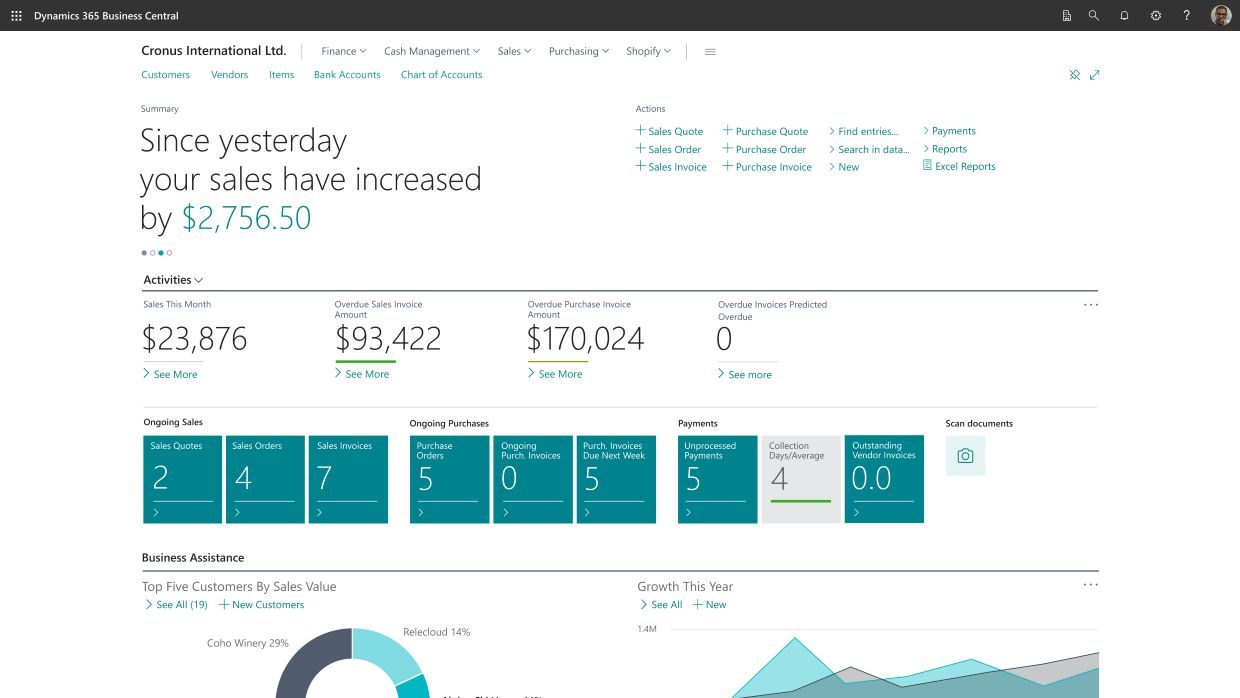
Most Microsoft Dynamics implementation consultants price based on project scope. User count, modules being deployed, customization complexity, and data migration requirements all factor in. Canadian SMBs typically see implementation costs between $15,000 and $75,000 CAD. Mid-market implementations with multiple departments and complex integrations run $80,000 to $200,000 CAD. Enterprise deployments can go higher. Understanding Dynamics 365 pricing on the licensing side separately from implementation investment prevents the two numbers from blurring together in your budget.
What pushes cost up
Heavy customization beyond standard configuration is the most common driver. Complex data migration from legacy systems with poor data quality adds time that translates directly to billable hours. Multi-department rollouts that require different workflow configurations per team add scope that compounds through testing and training. Integration with non-Microsoft systems that need custom connectors adds technical complexity the consultant has to resource for.
What brings cost down
A well-prepared business with documented processes gives the consultant a head start that saves weeks of discovery. Clean data that has been audited before the project begins removes one of the most unpredictable cost variables. Phased rollouts that start with one department and expand reduce the initial investment while giving leadership time to evaluate results before committing further. Choosing a Microsoft Dynamics implementation consultant who has implemented in your industry before means they apply proven patterns rather than building from scratch on your budget.
“Gestisoft had a knack for finding creative solutions. It wasn't easy, but the team never gave up and always managed to come up with solutions while trying to reduce costs as much as possible and bearing in mind the solution ecosystem's durability.”
The cost of choosing wrong
A failed implementation doesn't just waste the implementation budget. It costs months of productivity and creates a second implementation project that typically costs more than the first because the new consultant has to audit and undo the previous work before rebuilding. The cheapest quote in the evaluation process can easily become the most expensive decision the business makes that year.
How to evaluate a Microsoft Dynamics implementation consultant before you sign
Before you sign anything, these four questions will tell you more about your Microsoft Dynamics implementation consultant than their sales presentation ever will.
Ask for project references in your industry and your region
A Microsoft consultant who has implemented for Canadian B2B companies in your sector will share those references without hesitation. If they redirect you to case studies from a different country or a different industry, that tells you where their experience sits. References from Canadian implementations carry more weight because the consultant has already worked through PIPEDA compliance, bilingual configuration, and the operational norms that Canadian businesses operate under.
Request a discovery session before committing
A consultant confident in their approach will invest time understanding your business before quoting the project. Use that session to evaluate whether they ask about your business processes or jump to feature discussions. A CRM implementation process that outlines what a structured evaluation looks like helps you benchmark what the consultant proposes against what a thorough engagement should include.
Verify the team, not just the firm
Large consulting firms win projects with senior partners and staff them with junior consultants. Ask who will be doing the configuration work on your project and what their implementation experience looks like. The name on the contract matters less than the person configuring your system.
Confirm what happens after go-live
Ask for specifics on response times, who your dedicated contact will be, how long post-launch support lasts, and what optimization work is included versus billed separately. A Microsoft Dynamics implementation consultant who gets vague on post-go-live support is telling you where their engagement ends, and it's exactly the point where your team needs them most.
The right Microsoft Dynamics implementation consultant should feel like an extension of your team.
Talk to Gestisoft about how a Dynamics 365 implementation works when the consultant starts with your business processes.
 Book a free consultation
How Gestisoft works as a Microsoft Dynamics implementation consultant for Canadian businesses
Gestisoft's Dynamics 365 practice covers both CRM and ERP under the same roof, which changes how the implementation unfolds. When your sales pipeline configuration surfaces a dependency on your Business Central environment, or your reporting requirements span both customer data and financial data, we can handle both internally. Most Microsoft Dynamics implementation consultants specialize in one or the other and bring in a subcontractor for the rest. That handoff is where timelines slip and configuration decisions get made by someone who wasn't in the room for discovery.
Our team works in both official languages natively. Quebec-based businesses get an implementation consultant who configures bilingual interfaces, email templates, and Copilot AI outputs in French during the build rather than translating the English version after the fact. For businesses outside Quebec serving French clients, the same bilingual depth is available without subcontracting a separate language resource.
We run every Dynamics 365 cloud deployment on Azure Canada with data residency in Toronto and Quebec City, and PIPEDA compliance documentation is built into the project deliverables. Your enterprise clients who require compliance verification from their vendors get documentation that's ready for review.
The businesses that tend to get the most from working with us are the ones who bring their full requirements to the first conversation rather than simplifying them to get a cleaner quote. The more specific you are about what your business needs, the more precise the implementation becomes.
-
A Microsoft Dynamics implementation consultant configures Dynamics 365 to fit a business's specific sales processes, operational workflows, and reporting needs. The work includes business process mapping, system configuration, data migration, integration with existing tools, and user training. The role spans both technical platform knowledge and business advisory capability.
Liked what you just read? Sharing is caring.

May 25, 2026 by Shelley Sunjka by Shelley Sunjka Copywriter & Marketing Strategist
Armed with a psychology degree and an irrational obsession with okapis, I've spent the last decade helping bold brands tell better stories. I believe the best writing bends grammar rules on purpose and makes people feel something. When I'm not deep in words or nerding out on buyer behaviour, I'm probably convincing my kids that impromptu kitchen dance parties are totally normal.
