

A WMS can be a major performance upgrade—better inventory accuracy, faster picking, stronger shipping control. But if you’re only reading the upside, you’re missing what derails most implementations: the disadvantages of warehouse management system projects when scope, data, and change management aren’t handled properly.
This article is a practical guide to the real disadvantages of ERP warehouse management system initiatives—so you can reduce risk, budget realistically, and implement in phases that actually stick. If you’re still mapping what a WMS includes (and why scope matters), start here first: components of warehouse management system.
Why talk about the disadvantages of warehouse management system at all?
Because the “disadvantages” aren’t reasons to avoid a WMS. They’re reasons to implement it correctly.
Most negative outcomes come from:
- Buying a system that doesn’t match your warehouse reality
- Trying to implement too much at once
- Underestimating integration, data cleanup, and training
- Treating WMS as “just software” instead of an operating model
If you want the upside outcomes these projects are supposed to deliver, read this alongside: WMS benefits.
Speak with our ERP WMS experts today
Contact us for a free consultation and learn more about Business Central.
 Free discovery call
10 disadvantages of warehouse management system projects
1) Total cost is higher than expected (and often underestimated)
The first disadvantage is budget surprise: teams look at subscription cost but forget implementation, add-ons, devices, integrations, testing, and post-go-live support.
If you want a cost breakdown that prevents surprises, use this guide: WMS Software Cost.
2) Scope creep can turn a good project into a slow project
WMS touches everything—receiving, put-away, picking, packing, shipping, counts, returns. That makes it easy to keep adding “just one more workflow” before go-live.
Disadvantage: timelines slip, training becomes harder, and adoption drops because the system feels too complex on day one.
A safer approach is phased: stabilize receiving and inventory control first, then expand. For more details, check out our article on examples of warehouse management system.
3) Change management is usually harder than teams expect
A WMS changes how people work minute-to-minute:
- More confirmations (scan steps)
- More structure (locations/bins)
- Less “tribal knowledge” and improvisation
That’s good for control, but it’s disruptive during rollout. If training is rushed or workflows aren’t designed around real warehouse pace, you’ll feel the disadvantage immediately: slower operations, frustrated staff, and workarounds.
4) Bad data becomes “bad operations” faster
A WMS depends on clean fundamentals:
- Item master (SKUs, units of measure, barcodes)
- Locations/bins/zones
- Packing/shipping rules (when relevant)
If data is inconsistent, the WMS can accelerate mistakes: wrong scans, wrong picks, wrong replenishment, inventory in the “wrong” place.
This is one reason many warehouses struggle right after go-live: the WMS isn’t failing—the inputs are.
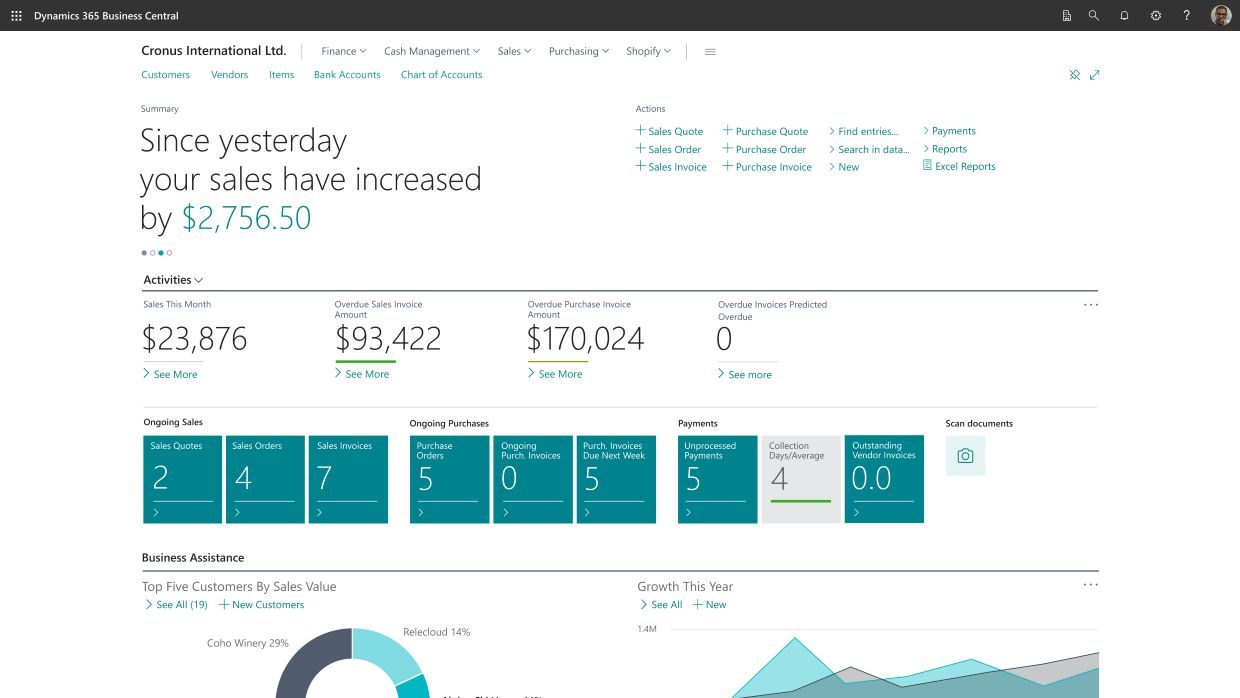
5) Integration complexity can be a hidden disadvantage
WMS rarely operates alone. Most warehouses must integrate with:
- ERP (orders, purchasing, inventory availability/value)
- Shipping/carriers (labels, tracking, confirmations)
- E-commerce or marketplaces
- 3PL workflows (if applicable)
The disadvantage: integration testing takes longer than expected, and exception flows (partial shipments, backorders, substitutions, returns) are where failures happen.
This is why an ERP-aligned approach matters so your warehouse execution and business truth stay synchronized.
6) Over-automation too early can hurt productivity
Another common disadvantage: implementing advanced waves, complex pick strategies, and automation-style rules before the basics are stable.
If receiving isn’t controlled and inventory isn’t accurate, advanced picking logic won’t save you. It can actually increase confusion.
Choose your maturity level deliberately, read more in our article: types of warehousing system.
7) Vendor lock-in and roadmap risk
Some WMS platforms are highly proprietary or require specialized partners and configurations.
Disadvantage: switching later can be expensive, especially if you’ve customized heavily or built complex integrations.
How to reduce this risk:
- Avoid unnecessary customization
- Favor configuration and standard workflows
- Document processes and integration logic
- Negotiate clear support and roadmap transparency
8) Warehouse performance can dip after go-live
Even a well-run rollout typically creates a short-term productivity dip:
- Staff learning curve
- New scanning habits
- New exception handling process
- New supervisor routines
The disadvantage isn’t the dip—it’s failing to plan for it. The fix: staged go-live, focused training, and temporary operational support.

9) Reporting overload (too many dashboards, not enough decisions)
WMS generates a lot of data. If you don’t define “what decisions we will make weekly,” you’ll end up with:
- Too many reports
- Conflicting metrics
- No improvement rhythm
Warehouse teams need a small set of KPIs tied to action.
10) The wrong system choice creates long-term friction
This is the biggest disadvantage: choosing a WMS that’s “top-rated” but mismatched to your warehouse profile.
Common mismatches:
- eCommerce each-pick warehouse choosing a system optimized for pallet/case
- Simple single-warehouse operation buying an enterprise-grade platform with heavy admin needs
- Multi-warehouse network choosing a basic tool that can’t handle transfers and governance
- Automation plans not considered during selection
If you’re building a shortlist, start here: top WMS systems.
How to reduce the disadvantages of warehouse management system projects?
Here’s a practical mitigation plan that works in most warehouses:
- Define your workflows (not just features)
Use scenario-based mapping: receiving → put-away → pick → pack → ship → count → returns.
[Internal link: Examples of warehouse management system] - Implement in phases
Phase 1: inventory accuracy + receiving + barcode picking
Phase 2: packing verification + shipping discipline
Phase 3: advanced picking, multi-warehouse, automation-ready steps (if needed) - Treat data cleanup as a real workstream
Items, units, barcodes, locations, packaging rules. - Design integration around exceptions
Partial shipments, substitutions, returns, backorders—not only “happy path” flows. - Build an adoption plan
Training, super-users, floor support during go-live, and a weekly improvement cadence.
Book your free consultation today
Contact us for more details about Dynamics 365 Business Central.
 Free discovery call
Let Gestisoft help you overcome the disadvantages associated with warehouse management systems
The disadvantages of warehouse management system initiatives are real—but they’re manageable. Most come down to scope control, data discipline, integration design, and adoption planning. If you handle those well, the “disadvantages” become predictable trade-offs instead of costly surprises.
If you want help assessing your risks, selecting the right WMS approach (ERP-aligned vs standalone), and building a phased rollout plan with a realistic budget, contact Gestisoft. Our experts can run a structured workshop to map your workflows, confirm requirements, and create a clear implementation roadmap. Book a free consultation to get started.
-
Hidden total cost, scope creep, adoption challenges, data quality issues, and integration complexity are the most common disadvantages.
Liked what you just read? Sharing is caring.

January 16, 2026 by Kooldeep Sahye by Kooldeep Sahye Inbound Marketing Manager
Specializing in SEO-driven pipeline growth, I combine keyword strategy, content optimization, and inbound tactics to turn organic search into a reliable source of qualified leads. I work at the intersection of traditional SEO and AI search — optimizing for LLMs and AI Overviews alongside Google — pairing data-informed strategy with sharp, story-led copywriting.