
A CRM regulatory bodies rely on has to do things most CRM platforms were never designed to handle. It has to enforce compliance deadlines that carry legal consequences while tracking whether thousands of licensed professionals have met their continuing education requirements. It also needs to manage disciplinary cases with confidentiality controls and audit trails that hold up under government scrutiny. These aren't features you configure on top of a sales pipeline. They're fundamentally different workflows that require a different kind of platform altogether.
Most regulatory bodies in Canada have discovered this the hard way. They bought a commercial CRM, spent months customising it to approximate what they needed, and ended up with a fragile system held together by workarounds that break every time someone changes a field. The spreadsheet that was supposed to disappear during implementation is still sitting on someone's desktop, doing the job the CRM was supposed to take over.
The CRM regulatory bodies need has to manage the full lifecycle of a licensed professional, from application through admission, annual renewal, practice monitoring, and potentially disciplinary proceedings, all while supporting bilingual communication and producing audit-ready records on demand.
That's a very specific set of requirements, and the gap between what generic CRM platforms offer and what regulatory bodies need is wider than most organizations expect when they start the evaluation.
A CRM for regulatory bodies should work the way your organization operates
Gestisoft builds CRM solutions purpose-built for Canadian regulatory bodies, professional associations, and licensing organizations.
 Free discovery call
What makes a CRM regulatory bodies need different from a commercial CRM
Regulatory bodies are managing a public trust mandate on behalf of government and the public, which means the relationship between the organization and its members is nothing like the typical relationship between business and customer. This is beyond the scope of what a commercial CRM was designed to support. Understanding that difference is what separates a CRM regulatory bodies can operate on from one they'll spend years fighting with.
A CRM regulatory bodies use treats members differently than customers
In a commercial CRM, the goal is to move someone through a pipeline toward a sale. A deal that stalls or drops out is a missed revenue opportunity and nothing more. In a regulatory body, the goal is to manage a licensed professional from initial application through to annual renewal and ongoing compliance monitoring, with every stage governed by legislation rather than internal sales strategy. A member who falls through the cracks isn't a lost deal. They're a professional potentially practising without valid credentials while the regulatory body carries the liability.
That fundamental difference is why generic CRMs struggle with this use case. The underlying architecture assumes the person in the system is someone you're trying to win over, and every default workflow template and reporting structure reflects that assumption.
Compliance timelines in a CRM regulatory bodies rely on aren't optional
Commercial CRMs treat follow-up dates as suggestions. A task overdue by a week is a yellow flag in a pipeline report. For a regulatory body, a missed renewal deadline means a professional may be practising without valid credentials, and the organization responsible for oversight is exposed to liability for every day that goes unaddressed.
Continuing education requirements operate on the same rigid timeline. Members have a defined period to complete their required hours, and the CRM has to track progress against those requirements in real time so non-compliance gets flagged before the deadline passes rather than discovered during an audit three months later. Disciplinary case timelines add another layer, governed by due process rules that dictate how long each stage of an investigation can take. The CRM regulatory bodies depend on has to be able to enforce all of this automatically rather than relying on someone remembering to check a spreadsheet.
Bilingual requirements are a necessity for a CRM regulatory bodies use in Canada
Any regulatory body operating in Quebec or serving members based there must communicate in French. Member portals, renewal notices, correspondence, and compliance reporting all need to function in both official languages natively. A CRM for regulatory bodies in Canada that handles bilingual communication as a translation layer added after the fact will create friction for Quebec-based members and administrative headaches for the staff managing them.
Quebec's Law 25 adds data handling requirements on top of the language obligations that most global CRM platforms don't account for in their default configuration. For regulatory bodies with significant Quebec membership, these two requirements together make the choice of platform and CRM implementation consultant a compliance decision as much as a technology decision.

The workflows a CRM regulatory bodies depend on must support
The difference between a CRM regulatory bodies can run their operations on and one that creates more problems than it solves comes down to whether the platform handles these workflows natively or forces the organization to build them from scratch on top of a system designed for something else entirely.
How a CRM regulatory bodies use should handle admissions and equivalency
Every regulatory body has its own criteria for admitting new members, and those criteria tend to be considerably more complex than a sales qualification checklist. Educational backgrounds need verifying against specific standards, with internationally trained professionals following a separate equivalency assessment path that adds another layer of evaluation. All of the supporting documentation has to be stored in a way that's auditable years after the admission decision was made, which means the system holding it needs to be built for long-term record integrity rather than short-term convenience.
The CRM regulatory bodies use for admissions needs to support configurable workflows that reflect your organization's specific criteria rather than a generic form builder that approximates the process. The admission workflow is often the first interaction a prospective member has with the regulatory body, and a system that handles it poorly sets the tone for the entire relationship.
Membership renewals inside a CRM regulatory bodies depend on should be automated
Renewal management is the workflow where generic CRMs fail first and most visibly. Annual or multi-year renewal cycles involve automated notifications sent at the right intervals, payment processing, status tracking, and escalation protocols when a member doesn't renew on time.
In a commercial CRM, a lapsed contact is an outreach opportunity. In a regulatory body, a lapsed member who continues practising without valid credentials is a compliance failure the organization is responsible for.
The CRM has to enforce renewal timelines automatically, including the escalation steps that follow when a member misses a deadline. That means the system needs to know the difference between a member who renewed late and paid the penalty versus a member whose status should be suspended because they've ignored multiple notices. Those distinctions carry legal consequences and a CRM that treats them all the same creates unnecessary risk for the organization.

Continuing education and professional development tracking should be a feature in a CRM regulatory bodies are considering
Most regulated professions require members to complete a minimum number of continuing education hours within a defined period. The CRM needs to accept both self-reported records and verified completions from approved providers, track each member's progress against their requirements, and flag anyone falling behind before the compliance deadline arrives.
This is specialised enough that most regulatory bodies end up managing it in a separate system alongside their CRM, which creates exactly the kind of data silo a CRM is supposed to eliminate. The member record in the CRM shows contact information and renewal status while the continuing education data lives in a spreadsheet or a standalone portal that nobody knows how to connect. When an audit request arrives, staff spend days pulling information from multiple sources to assemble a complete picture of a single member's compliance status.
Complaints and disciplinary case management is non-negotiable in any CRM regulatory bodies are evaluating
Disciplinary case management is the workflow that separates a CRM regulatory bodies can trust from ones that will eventually fail them. Complaints against members trigger investigations that move through formal stages with due process requirements at each step. The CRM needs to manage case progression and enforce stage-specific timelines while maintaining confidentiality controls that restrict visibility based on role. A complete audit trail documenting every action from initial complaint through to resolution is equally non-negotiable.
The data sensitivity alone puts this workflow beyond what most commercial CRMs were architected to handle. A sales pipeline doesn't need role-based access controls that prevent a membership coordinator from seeing an active disciplinary investigation against a member they interact with regularly. A CRM regulatory bodies use for complaints management does, and retrofitting that level of access control onto a platform that wasn't designed for it is where most customisation projects break down.
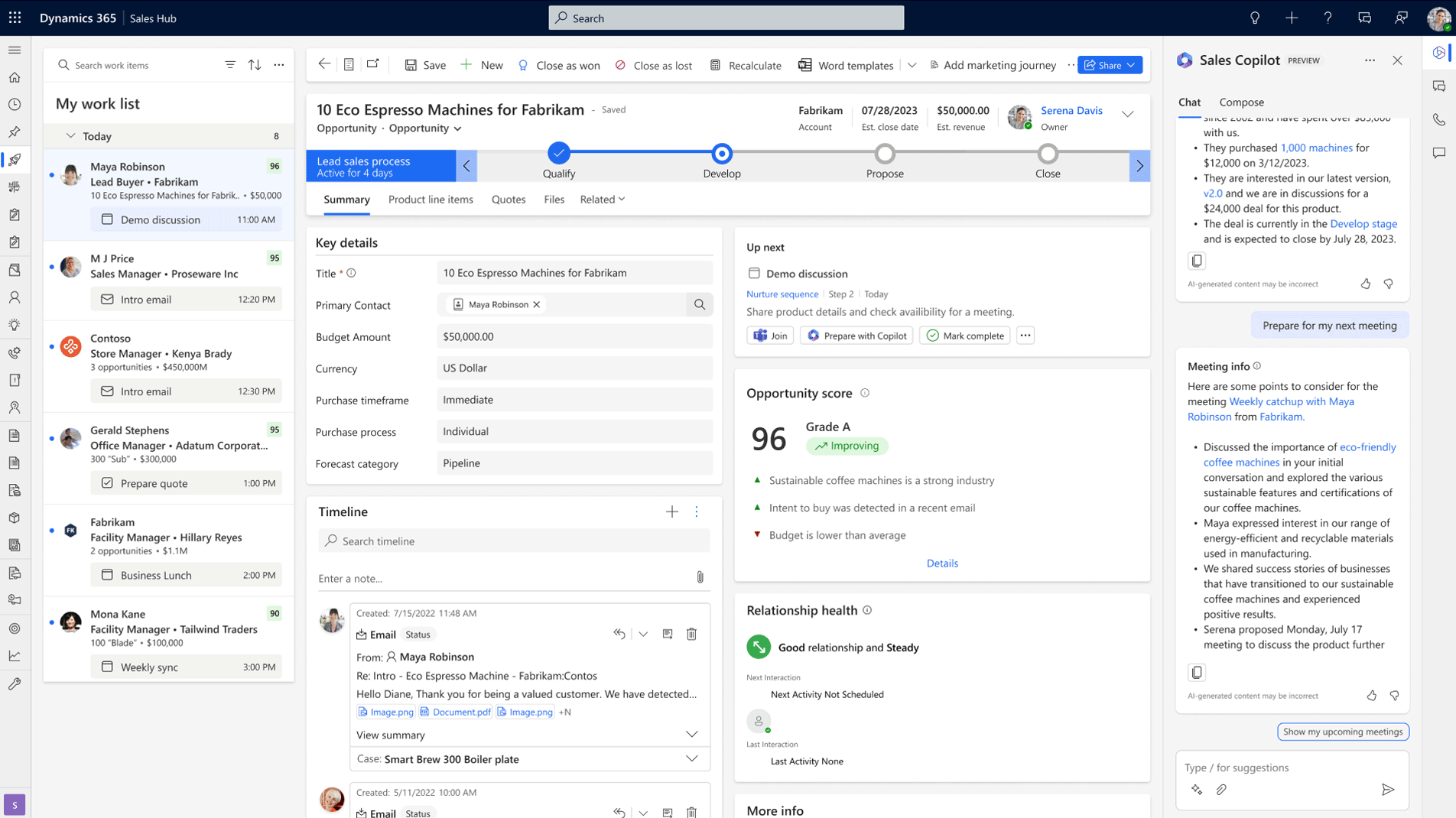
How a CRM regulatory bodies are weighing up handles practice monitoring and inspections
Some regulatory bodies conduct practice audits or inspections as part of their oversight mandate. The CRM needs to manage inspection scheduling, track checklist completion during the inspection itself, record findings, and assign follow-up actions when issues are identified. All of that needs to connect back to the member record so the inspector walks in with full context on the member's inspection history and any outstanding compliance items rather than starting from a blank page every time.
When practice monitoring data lives outside the CRM, the organization loses the ability to spot patterns across inspections. A member who has minor findings flagged across multiple inspection cycles may warrant a different level of attention than a first-time finding, and that kind of trend analysis is only possible when the data sits inside the same system as the rest of the member record.
Your CRM for regulatory bodies should handle all of this without workarounds
Legio by Gestisoft was built specifically for Canadian regulatory bodies and professional associations on Microsoft Dynamics 365.
 Free discovery call
Why a generic CRM regulatory bodies adopt usually falls short
Understanding what the CRM needs to be able to do is one thing. Getting there with a platform that wasn't built for the job is quite another.
Customization fatigue when regulatory bodies force a generic CRM to fit
You can technically configure Salesforce or Dynamics 365 out of the box to handle some of these workflows. The customization project starts optimistically, with a CRM specialist building custom entities for member records and configuring workflow stages that approximate the admission or renewal process. Six months and a significant budget overrun later, the system works but it's brittle. Every update to the underlying platform risks breaking a custom workflow that was built around the previous version's architecture.
The ongoing maintenance cost is what catches most organizations off guard. A purpose-built platform updates its core workflows as part of the product roadmap. A heavily customized generic CRM requires someone to test and rebuild those customizations every time the vendor releases a platform update. Over a few years, the cost of maintaining the workarounds can exceed what a purpose-built solution would have cost from the start.
Data silos regulatory bodies create from bolted-on CRM solutions
When the generic CRM can't handle a specific workflow natively, the organization plugs the gap with a standalone tool. Continuing education ends up in a separate portal while complaints go into a different system with its own access controls, and before long the member record is fragmented across platforms that were never designed to share data. Each one holds a partial view, and nobody has the complete picture without reconciling information by hand.
The real cost shows up in the daily work. A membership coordinator answering a routine phone call has to check multiple systems just to give a member a straight answer about where they stand on renewal and CE compliance. Multiply that across thousands of members and the operational drag becomes significant.
Compliance reporting gaps in a CRM regulatory bodies have outgrown
When a government ministry or oversight body requests a compliance report, the data needs to be audit-ready. That means complete, accurate, and produced within a reasonable timeframe. When the data is spread across multiple systems, producing that report becomes a project in itself, requiring staff to extract information from each platform, reconcile discrepancies, and assemble everything into a format the oversight body will accept.
A CRM purpose-built for regulatory bodies should generate these reports directly from the member record because all of the relevant data lives in one place. The difference between a reporting process that takes an afternoon and one that takes two weeks of staff time is often the difference between a single connected system and a collection of tools that were never designed to talk to each other.
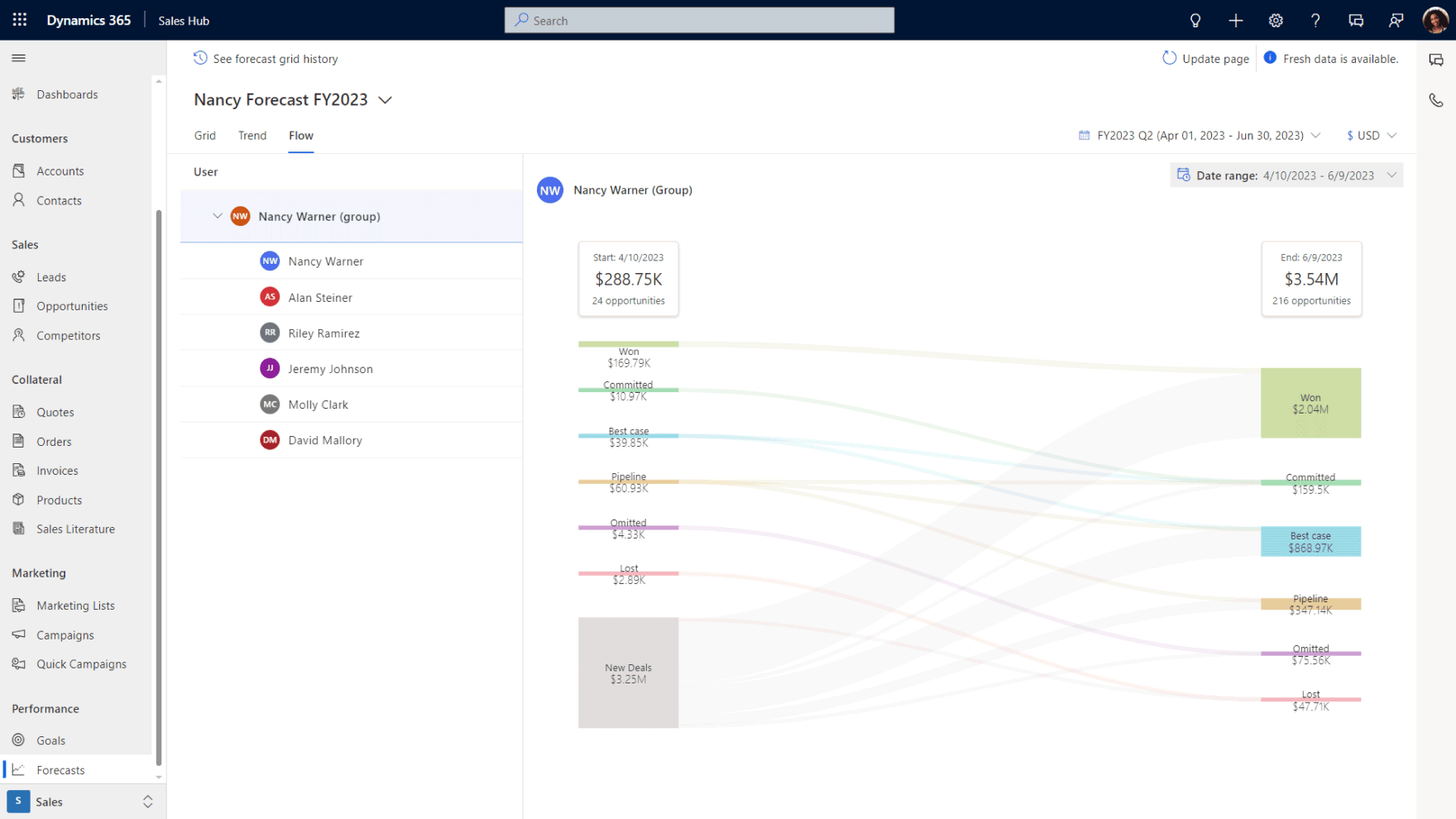
What a purpose-built CRM regulatory bodies use case looks like in practice
A purpose-built CRM regulatory bodies can rely on long term needs two things: flexibility to accommodate membership changes without a rebuild, and a CRM software consultant who stays involved long enough to make the necessary adjustments as they arise.
Legio by Gestisoft: a CRM built on Dynamics 365 for Canadian regulatory bodies
Legio runs on Microsoft Dynamics 365 and Power Platform, which gives it the infrastructure and security of an enterprise CRM combined with workflow specificity that no amount of customisation on a generic platform can replicate efficiently. The platform covers the full membership management lifecycle across nine modules, from admissions and renewals through continuing education tracking, complaints management, practice monitoring, billing, member communications, a member-facing portal, and reporting.
The distinction worth understanding is that these aren't custom workflows built on top of Dynamics 365 by an implementation team. They're native to the platform. When a regulatory body implements Legio, the renewal automation, compliance tracking, and disciplinary case management are already structured around how regulatory bodies operate. The implementation work focuses on configuring those workflows to match your organization's specific bylaws and legislative requirements rather than building them from scratch on a foundation that wasn't designed for the job.
This eliminates customisation fatigue. A generic CRM requires months of custom development to approximate what Legio does on day one. Legio's core workflows update as part of the product roadmap, maintained by a team that understands the regulatory body use case because that's the only use case the platform was built for.
How Legio handles bilingual communication and Quebec compliance
Bilingual capability in Legio isn't a language toggle on the interface. The member portal, renewal notices, correspondence templates, and compliance reporting all function in both official languages natively, which means a member in Quebec interacts with the system entirely in French while a member in Ontario uses the same platform in English without anyone on the administrative side managing two separate configurations.
Quebec's Law 25 adds data handling requirements that go beyond language. Consent management and data access requests all need to reflect the stricter provincial framework, and Legio accounts for those obligations in its architecture rather than leaving them for the implementation team to figure out after go-live. For regulatory bodies whose membership management software needs to operate seamlessly across both language communities, that native bilingual capability eliminates a compliance gap that most generic CRMs leave open indefinitely.
The Microsoft ecosystem advantage for CRM regulatory bodies
Legio sits on Dynamics 365 and Power Platform, which means the staff using it every day work inside the same Microsoft environment they already know. Email and internal collaboration flow through Outlook and Teams rather than a separate platform, while reporting is powered by Power BI so compliance dashboards and membership analytics sit alongside whatever other operational reporting the organization already runs.
For regulatory bodies already invested in the Microsoft ecosystem, that familiarity translates directly into faster adoption and lower training costs. A Microsoft consultant configuring Legio can connect it to the rest of the organization's Microsoft environment during implementation, so the membership management platform becomes part of the daily workflow rather than another standalone tool.
A CRM built for regulatory bodies saves your team from workarounds
Legio by Gestisoft manages the full member lifecycle for Canadian regulatory bodies on one platform.
 Free discovery call
Gestisoft built a CRM regulatory bodies in Canada can trust to run their operations
Legio grew out of a pattern Gestisoft kept seeing across years of implementing Dynamics 365 for regulatory bodies. Every engagement began with the organization needing renewal automation, compliance tracking, bilingual member portals, and disciplinary case management, and every time the team had to build those workflows from scratch on top of a platform that wasn't designed for any of them. Legio exists because Gestisoft decided to stop rebuilding those workarounds for every new client and turn them into a dedicated membership management platform instead.
For regulatory bodies evaluating a CRM expert, the question worth asking is whether the team behind the platform has worked inside your type of organization before. A Canadian CRM specialist who understands the legislative environment Canadian regulatory bodies operate in will configure the system differently from one who's adapting a commercial CRM playbook to a use case they've never encountered. PIPEDA, Law 25, bilingual member communication, and the compliance reporting obligations that come with managing a public trust mandate aren't things you can learn from a product manual. They come from doing the work repeatedly across organizations where getting it wrong has real consequences.
The other thing regulatory bodies should weigh is what happens after implementation. Legislative requirements change on timelines your organization doesn't control, and membership categories tend to shift alongside them as professions expand their scope or governments restructure continuing education frameworks.
The CRM regulatory bodies use has to be able to absorb those changes without a full rebuild, and the partner maintaining it needs to understand why those changes are happening well enough to reconfigure the system properly rather than just adding another custom field and hoping for the best.
Gestisoft assigns a dedicated Customer Success Manager to every regulatory body client so that ongoing evolution is managed by someone who knows the platform and the sector.
Talk to Gestisoft about building a CRM your regulatory body can operate on for the long term.
-
A CRM for regulatory bodies is a platform that manages the full lifecycle of licensed professionals, from admissions and renewals through continuing education tracking, complaints management, and practice monitoring. It replaces the disconnected systems and spreadsheets most regulatory bodies use to manage these workflows.
Liked what you just read? Sharing is caring.

April 21, 2026 by Shelley Sunjka by Shelley Sunjka Copywriter & Marketing Strategist
Armed with a psychology degree and an irrational obsession with okapis, I've spent the last decade helping bold brands tell better stories. I believe the best writing bends grammar rules on purpose and makes people feel something. When I'm not deep in words or nerding out on buyer behaviour, I'm probably convincing my kids that impromptu kitchen dance parties are totally normal.
