
Engineer to order software is what separates custom machinery manufacturers who can scale from those stuck in spreadsheet chaos.
If your shop builds industrial equipment, automation systems, or process machinery, you know the pattern. Engineering designs in CAD. Someone manually types the BOM into Excel. Purchasing chases parts while the design changes. Production gets old prints. Finance has no idea what the real margin was until months after delivery.
This guide covers when you actually need engineer to order software, how to choose between platform ERPs and niche ETO systems, and what a realistic implementation looks like on Microsoft Dynamics 365 Business Central.
Map Your Engineer To Order Software Roadmap
Sit down with a Business Central specialist to walk through your current ETO projects, tools, and bottlenecks. See how an engineer to order software fits your processes.
 Free discovery call
When Engineer To Order Software Becomes Critical For Custom Machinery Shops
Most machinery manufacturers don't decide they need an engineer to order software. They hit a wall first. Your lead engineer is tracking down which BOM version purchasing used instead of finishing the next design. Purchasing orders wrong parts because no one told them specs changed. The shop floor builds from outdated prints. Finance discovers profitable-looking projects actually lost money.
Engineer To Order Software Vs Basic ERP: Where Things Break Down
A basic ERP works fine when you build the same thing repeatedly. Stable BOMs, predictable work orders, consistent costs. Custom machinery kills that model.
Every project starts with a unique customer requirement. ETO manufacturing means engineering defines the product after the order is placed. Your BOM doesn't exist when you quote. It gets created in CAD during design, then revised multiple times. A basic ERP assumes the BOM is done. It can't handle partial BOM releases or connect engineering changes back to open purchase orders.
So your team works around it. Engineering keeps the real BOM in CAD. Purchasing uses spreadsheets. Production prints PDFs and marks them up by hand. Finance reconciles manually at month end.
The real cost isn't the software gap. It's the time your most expensive people spend fixing problems that shouldn't exist. Your lead engineer shouldn't spend Friday afternoon tracking down which version of the BOM is being used. Your production manager shouldn't discover halfway through assembly that half the parts are wrong.
Real Questions To Ask Before You Delay The Decision Again
You need engineer to order software when you can't answer basic questions about your own projects without hours of digging. Ask yourself these questions.
- Can you see real project margin while the job is still open, or do you wait until it ships?
- Do you know which machine types are actually profitable after accounting for engineering hours and rework?
- How many times last month did someone re-enter the same BOM because it lived in three different places?
- When a customer asks for a quote on something similar to a past project, can you pull real cost data in five minutes?
If those questions made you uncomfortable, better spreadsheets won't fix it.
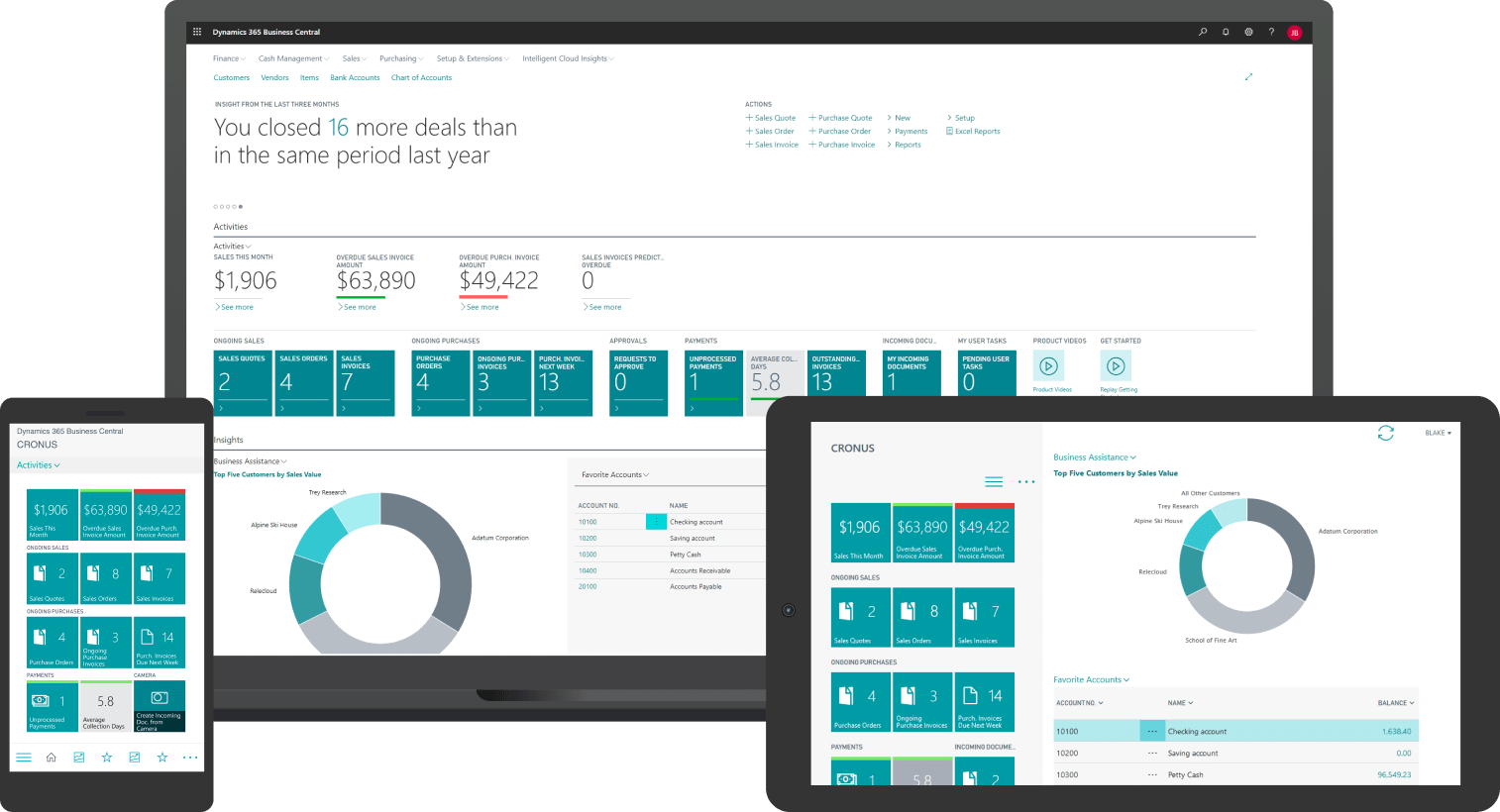
How Engineer To Order Software Should Handle Your Real ETO Workflow
If your engineer to order software doesn't mirror how you actually work, you'll end up back in Excel within six months. What matters is whether the system can follow your real process without forcing you to change how engineering, purchasing, and production communicate.
From Quote To Shipped Machine: What Engineer To Order Software Must Track
A custom machinery project starts with a customer problem. Your sales team works with engineering to sketch a rough concept. You estimate hours, materials, and risk without a finished design. At this stage, you're working from past projects and engineering judgment.
Once they sign, engineering creates detailed design in CAD. The BOM comes together in phases. Frame and structure first. Motors, drives, and mechanical systems next. Control panels and wiring last.
Some parts have 12-week lead times, so purchasing needs to order them before design is locked. This is where most shops struggle. Engineering is still designing, but purchasing needs to commit to long-lead items. If you wait until everything is finalized, you add months to the delivery schedule. If you order too early and the design changes, you own the wrong parts.
Fabrication starts while engineering finishes electrical drawings. Assembly happens in stages. You run a factory acceptance test with the customer present. Then you ship it, install it on their site, commission it, and train their operators. Some projects include a warranty period where you're tracking service calls and spare parts.
Your engineer to order manufacturing software needs to track all of that as one connected project. Every phase should show costs as they happen. Every change should update margin in real time. Every hour of engineering time, every purchased part, every shop labor entry should roll up so you know exactly where you stand.
BOMs, Revisions, And Engineer To Order Software That Follows Your CAD
Most machinery manufacturers use SOLIDWORKS or Autodesk Inventor. The engineering BOM lives in CAD. The problem is your ERP needs a manufacturing BOM with routings, vendors, and lead times. If your process is "engineering exports a spreadsheet and someone re-types it into the ERP," you're introducing errors at every revision.
Good engineer to order software connects directly to CAD. The engineering BOM imports and transforms into a manufacturing BOM. When engineering changes a part, the system flags it. Purchasing sees it. Production sees it. Finance sees the cost impact. Partial BOM releases let you order long-lead items early without locking the entire design.
Keeping Engineering, Purchasing, And Production In Sync With Engineer To Order Software
Engineering realizes the specified motor doesn't fit the mounting bracket. They switch to a different model. It costs $200 more and has a two-week longer lead time. If your ETO software works correctly, purchasing gets notified. The system shows the cost difference. If a purchase order exists, it flags the buyer. If production started building the bracket, it alerts the shop floor.
If it doesn't work correctly, nobody tells purchasing. The wrong motor shows up. Production discovers it doesn't fit. The project slips three weeks. Your margin disappears. The right engineer to order software makes sure everyone knows about changes before they turn into expensive surprises.
To see how projects actually look and feel inside Business Central, this short Gestisoft tutorial shows the full flow of creating projects step by step.
Which Engineer To Order Software Is Right For You: Business Central Or Specialized ETO Systems
Most machinery manufacturers compare two types of systems: niche ETO products built specifically for custom manufacturers, and broader ERP platforms like Microsoft Dynamics 365 Business Central that can be configured for ETO work. Both can work. The question is which fits your real situation.
Where Niche Engineer To Order Software Often Hits A Ceiling
Niche ETO systems are built by engineers for engineers. They handle CAD integration well and understand dynamic BOMs and engineering change orders. The problems show up later.
Financial modules are often limited. You can track project costs, but deeper financial planning, consolidated reporting across multiple entities, or sophisticated revenue recognition gets harder.
If you operate in multiple currencies or need intercompany transactions, you're often in workaround territory. Multi-entity reporting is weak. If you acquire another company or open a second site, the system might handle it, but reporting across locations becomes manual again.
If you want CRM, service management, or field operations, you're adding third-party tools that don't integrate cleanly. Now you're back to the same disconnected-systems problem you were trying to solve, just with different tools. If your business starts mixing ETO projects with some standard products or MTO work, the system struggles because it wasn't designed for that flexibility.
And there's vendor risk… Niche software companies can be great partners, but they don't have the development resources, global support network, or long-term roadmap guarantees that a platform like Microsoft brings. If the vendor gets acquired, pivots, or shuts down, your options narrow fast.
What Business Central Brings As Engineer To Order Software
Microsoft Dynamics 365 Business Central handles finance, projects, manufacturing, inventory, purchasing, CRM, and service management in one system. Everything runs in one database with one interface.
The Microsoft competitive advantage is the ecosystem. Business Central integrates with Office 365, Teams, Power BI, AI Copilot, and Power Platform. You can build reports and automate workflows without heavy custom development. Your team already knows how to use Outlook, Excel, and Teams. Business Central works inside those tools, not as a separate island.
If you grow, Business Central grows with you. Multi-site, multi-currency, multi-company structures are built in. Adding a second location doesn't mean buying another software product or paying for expensive multi-tenant upgrades.
For custom machinery manufacturers, this matters. You're not purely ETO forever... You take on retrofit work... You build some standard modules… You offer service contracts... You open a second location… Business Central supports all of that without forcing you to switch platforms again in three years.
How To Decide Between Engineer To Order Software Options
If you're staying single-site, purely ETO, with simple financial needs, a niche ETO system can work well. If you're planning multi-site expansion, acquisitions, or you mix ETO projects with standard products, Business Central makes more sense. You won't hit a ceiling two years in.
If you need deep project accounting, integrated service management, or strong reporting across finance and operations, Business Central wins. Working with experienced ERP consulting companies helps map your processes and growth plans to the right system.
10 Key ERP Selection Criteria
Use this practical guide to compare ERP options against 10 clear criteria, from process fit and integration needs to total cost of ownership. Give your team a shared evaluation framework.
 Access guide
How Engineer To Order Software Works In Business Central
Business Central isn't an ETO system out of the box. It's a platform that can be configured to run ETO workflows without heavy custom development. You're not waiting for a vendor to build features. You're using standard modules in a way that matches how custom machinery projects actually flow.
Core Building Blocks For Engineer To Order Software In Business Central
Items define parts, subassemblies, and finished machines. BOMs and routings define how things are built. Jobs and Projects track each customer order as a unique project with phases, tasks, and cost tracking. Production orders handle shop floor work.
A machinery project starts as a Job with phases: design, fabrication, assembly, testing, installation. With proper configuration, you can link production orders and purchase orders to the Job so all costs roll up in one place. This gives you real-time project costing. You see labor, materials, and overhead as they hit the job. You compare actual costs to estimates while the project is open.
Using Engineer To Order Software To Connect CAD And BOMs In Business Central
Engineering creates the design in CAD. Instead of exporting a spreadsheet and retyping it, you use a CAD connector. The engineering BOM imports directly into Business Central and becomes a manufacturing BOM with item numbers, vendors, lead times, and routing steps.
When engineering makes changes, the system tracks revisions. If a revision affects cost or lead time, purchasing and production get notified. Long-lead items can be flagged and ordered before the design is locked. If the spec changes, the buyer knows immediately.

How Much Does Engineer To Order Software Cost And How Long Does It Take
ETO software projects fail because expectations were wrong from the start, not because the technology doesn't work.
Realistic Cost Ranges For Engineer To Order Software Projects
Business Central pricing is subscription-based, with different tiers depending on which modules and features your team needs. Your total monthly licensing cost will depend on the number of users, the depth of functionality they require, and whether they need full manufacturing and finance access or lighter operational roles.
Implementation budgets for mid-sized custom machinery manufacturers typically run $100,000 to $300,000 or more. That includes discovery, configuration, data migration, CAD integration setup, testing, training, and go-live support.
Cost drivers: number of users, CAD integration timing, multi-site structures, and custom reporting needs.
A Phased Approach To Rolling Out Engineer To Order Software
The smartest ETO implementations happen in phases, not all at once…
Phase one covers core finance, basic inventory, and simple project tracking. This usually takes 8 to 12 weeks. Your team learns the system. You're still running some old processes in parallel, but you're building confidence.
Phase two adds full ETO configuration. Projects link to production orders and purchasing. Job costing goes live. Engineering BOMs start flowing into the system. This is where most ETO value shows up. Plan another 8 to 12 weeks for this phase.
Phase three brings CAD integration, advanced planning, quality management, and service operations. You're adding capabilities as your team is ready, not because a project plan says it's week 18.
This phased approach keeps risk low. It lets your team learn without getting overwhelmed. And it spreads cost over time instead of front-loading everything. You'll see returns before the project is fully complete. Better project visibility and margin tracking in phase two often pay for the entire implementation within the first year.
Common mistakes: trying to replicate every spreadsheet, over-customizing before using standard features, and starting without a clear internal owner who has both authority and time.
-
Generic ERP assumes stable BOMs and repeat production. Engineer to order software handles projects where the design is created after the order, BOMs change during the build, and every job is unique.

Why Gestisoft Is The Right Partner For Your Engineer To Order Software
Gestisoft is a Microsoft Dynamics 365 Business Central partner with deep manufacturing experience. We work with custom machinery and industrial equipment manufacturers across Canada and beyond, and help them move from disconnected tools to integrated ETO workflows.
Our approach follows three steps: needs assessment, implementation, and evolution. We don't start with a demo. We start by understanding your ETO model, current tools, pain points, and growth plans. Then we map a realistic path that fits your capacity and budget.
We work directly with your engineering, operations, and finance teams, not just IT. We've seen what works and what doesn't in ETO implementations. Our implementations are phased to reduce risk and let your team learn as you go. We stay involved after go-live.
As your business evolves, whether you add service operations, open a second site, or bring new product lines online, we help you add capabilities without disrupting what's already working. We don't promise overnight transformation. We deliver realistic timelines, clear scope, and honest advice about what will work and what won't for your specific situation.
If that approach fits your situation, let's talk.
Plan Your Engineer To Order Software Project
Scope a realistic engineer to order software project on Business Central with Gestisoft. Walk away with clear phases, timelines, and budget ranges that match your capacity.
 Free discovery call
Liked what you just read? Sharing is caring.

April 24, 2026 by Muhammad Ali Iqbal by Muhammad Ali Iqbal SEO Content Strategist & Copywriter
Driven by a passion for search engine optimization, strategic content, and conversion-focused writing. A copywriter and content strategist who lives for content that ranks, engages, and delivers real business results.
