

Nonprofit organizations operate in a financial reality that is fundamentally different from that of traditional businesses. While a for-profit company focuses on profitability, nonprofits must demonstrate accountability, transparency, and stewardship. Every dollar carries a purpose, every donation may come with restrictions, and every grant must be tracked according to strict reporting rules. This complexity makes fund accounting much more than simple bookkeeping—it is a discipline that ensures mission-driven organizations use their financial resources exactly as intended.
As nonprofit organizations grow, manage more programs, receive more restricted funds, or handle increasingly complex grant or donor requirements, the limitations of spreadsheets or generic accounting tools quickly become visible. Audit preparation becomes time-consuming. Program managers lack visibility into their budgets. Reporting requires manual extraction, reconciliation, and cleanup. Compliance becomes harder to maintain. These challenges have made fund accounting software a critical foundation for nonprofit financial management in 2025 and beyond.
This guide is your complete resource for understanding fund accounting software, how it works, who needs it, and the features that matter most. You’ll also learn how nonprofits can use technology to strengthen compliance, improve donor trust, streamline reporting, and reduce administrative burden. Finally, you’ll discover why Microsoft Dynamics 365 Business Central—implemented by an experienced partner like Gestisoft—offers a modern, scalable path for nonprofit fund accounting.
If you want a strong foundation to support your mission, ensure financial integrity, and simplify compliance, this pillar guide will give you everything you need to evaluate fund accounting software and prepare your organization for digital transformation.
Ready to learn more about Microsoft Dynamics 365 Business Central?
Contact our team for a free consultation and see how it works live.
 Free discovery call
What is fund accounting software?
Fund accounting software is a specialized financial management system designed to track and report financial activity across multiple funds—each with its own revenue, expenses, restrictions, and compliance requirements. Instead of consolidating all financial activity into a single ledger, fund accounting software enforces a structure where each fund is treated as a separate accounting entity, while still allowing the organization to generate organization-wide reports.
Key characteristics of fund accounting software
- Tracks restricted, unrestricted, and temporarily restricted funds
- Ensures money is used only for its intended purpose
- Maintains separate balances for each fund
- Supports grant, program, and project accounting
- Creates clear donor- or grant-specific reports
- Delivers real-time visibility across all funds
- Maintains audit-ready documentation
Why general accounting tools aren’t enough?
Programs like QuickBooks or Xero may work for very small nonprofits, but they lack native support for:
- True restricted fund tracking
- Donor- or grant-specific reporting
- Complex allocations
- Multi-fund budgeting
- FASB 958-compliant financial statements
- Audit trail integrity
Most organizations eventually outgrow these systems, especially when:
- Grant volume increases
- Donations come with restrictions
- Programs multiply
- Financial reports require segmentation
- The organization becomes audit-ready
Fund accounting software eliminates these limitations and helps nonprofits operate with clarity and accountability.
Who needs fund accounting software?
Fund accounting software is essential for nonprofits of all sizes, especially those dealing with multiple funding sources or strict reporting requirements. Here are the most common use cases.
Nonprofit organizations
The primary users of fund accounting systems. Nonprofits must track restricted donations, segregate fund balances, prepare compliant statements, and demonstrate responsible stewardship to donors and auditors.
Charities and foundations
Foundations often manage complex grant lifecycles, investment revenue, and multi-year commitments. They require precise fund tracking and allocation rules.
Faith-based organizations
Churches and ministries typically manage multiple funds—missions, building projects, benevolence funds, operations funds—each requiring separate accounting.
Associations and membership organizations
Professional and trade associations manage membership dues, events, sponsorships, and education programs. Fund accounting provides clarity across programs.
Community organizations and clubs
Local associations often receive event-based revenue or government funding that must be reported separately.
Social service organizations
Organizations providing healthcare, housing, childcare, or social support rely heavily on grants. Fund accounting helps them meet government and donor requirements.
Educational organizations
Schools, academies, and training centers often manage multiple programs and funding sources.
If your organization has more than one funding source, more than one program, or restricted revenues, fund accounting software becomes essential.
Core features of fund accounting software
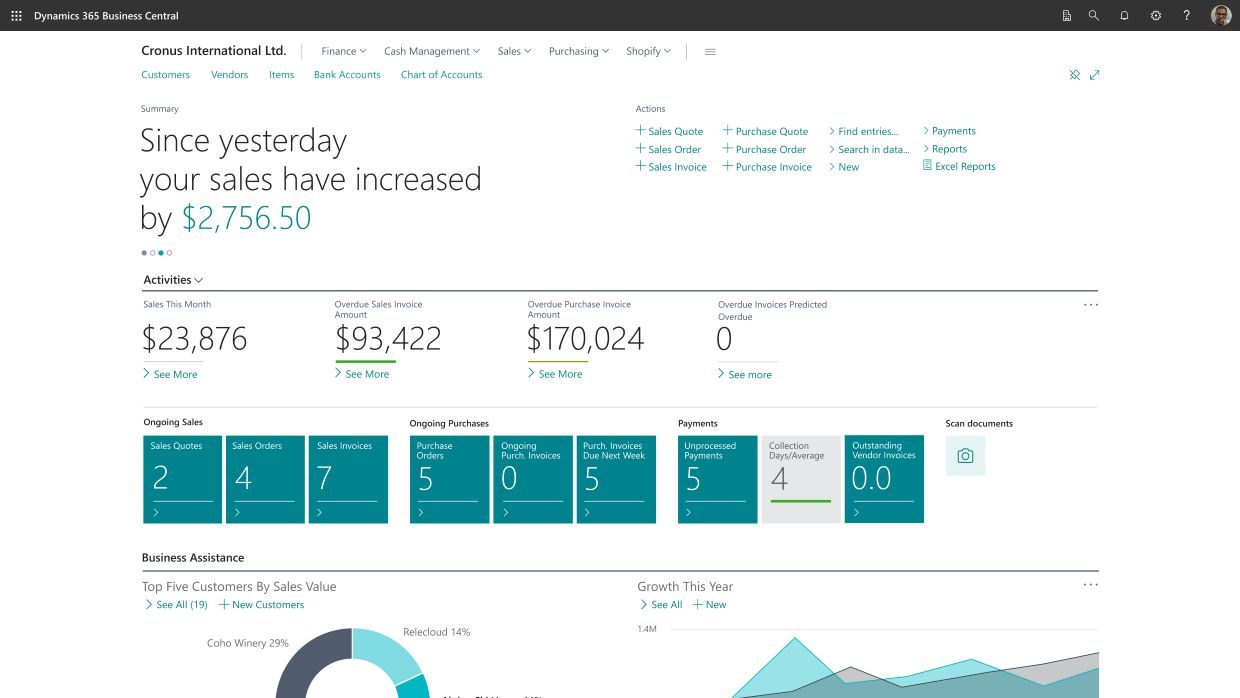
A strong fund accounting solution offers tools that simplify complex nonprofit financial operations. Below are the must-have features nonprofits should consider.
1. Multi-fund general ledger
The heart of the system. Each fund has:
- Its own balance sheet
- Its own income statement
- Its own budget
- Its own restrictions
Yet, the organization can still produce consolidated financial statements.
2. Restricted fund tracking
Nonprofits must comply with donor intent. The software should:
- Differentiate between restricted and unrestricted dollars
- Track restrictions at the transaction level
- Manage temporary and permanent restrictions
- Support endowments and multi-year gifts
3. Grant and project accounting
Grants typically come with reporting deadlines and cost restrictions. Fund accounting software supports:
- Grant-level budgets
- Grant revenue recognition
- Project-specific expenditure tracking
- Automated reporting
4. Budgeting and forecasting
Budgets can be created for:
- Funds
- Programs
- Departments
- Grants
- Fiscal years or multi-year periods
Forecasting tools help adjust budgets proactively.

5. Financial reporting
A fund accounting system should deliver:
- FASB 958-compliant statements
- Statement of financial position
- Statement of activities
- Cash flow reports
- Donor and grant reports
- Program-specific financial statements
6. Internal controls and audit trail
Nonprofits face strict audit requirements.
Fund accounting software provides:
- Secure role-based access
- Approvals and workflows
- Version tracking
- Complete audit logs
7. Integrations
Nonprofits often use multiple systems.
Fund accounting software should integrate with:
- Donor management (CRM)
- Fundraising platforms
- Payroll/HR systems
- Banking APIs
- Budget planning tools
8. Automation capabilities
Automation reduces administrative workload by handling:
- Allocations
- Recurring transactions
- Budget distributions
- Bank reconciliation
- Import/export of transactions
9. Cloud security
Most modern systems are cloud-based.
Look for:
- SOC 1 and SOC 2 compliance
- Azure or AWS infrastructure
- Regular backups
- Encryption at rest and in transit
Why nonprofits need fund accounting software?
Nonprofits use fund accounting software to achieve transparency, accountability, and operational efficiency.
- Improved financial transparency: Separate fund reporting ensures clear visibility into how each dollar is used.
- Enhanced donor and grant compliance: With clear tracking, nonprofits avoid misuse of restricted funds or incorrect reporting.
- Audit readiness: Automated audit trails reduce stress and preparation time.
- Reduced errors: Automation and fund-level controls minimize manual mistakes in spreadsheets.
- Stronger governance: Approval workflows ensure proper oversight and responsible decision-making.
- Better budgeting and planning: Multi-fund budgets help program managers plan and control resources more effectively.
- Increased organizational trust: Donors and grantors respond positively to financial clarity and accountability.
High-level pricing: what affects the cost of fund accounting software
Pricing varies widely depending on your nonprofit’s needs.
Key factors include:
- Number of funds
- Number of users
- Volume of grants
- Reporting complexity
- Need for integrations
- Depth of automation
- Implementation and training
- Cloud vs on-premise
To explore pricing in detail, see our fund accounting software cost guide.
Comparison at a glance: types of fund accounting systems
Different nonprofits require different tool types. Here are the general categories.
1. Entry-level nonprofit accounting tools
Examples: Aplos, QuickBooks (with limitations).
Good for small nonprofits with simple fund structures.
2. Mid-market nonprofit-specific fund accounting
Examples: Blackbaud Financial Edge NXT, MIP Fund Accounting.
Ideal for growing nonprofits with moderate complexity.
3. ERP-based fund accounting
Examples: Microsoft Dynamics 365 Business Central.
Ideal for organizations wanting scalability, multi-program complexity, and integrated tools.
4. Investment-focused fund accounting
Used by foundations or organizations with investment portfolios (e.g., FundCount, Allvue).
5. Government-level fund accounting
Used by municipalities and public-sector entities.
Your choice depends on fund volume, compliance needs, integrations, and growth.
Compliance considerations for nonprofits
Nonprofits must follow specific accounting standards:
FASB ASC 958
The primary standard governing nonprofit financial reporting.
Fund accounting software should support:
- Net asset classifications
- Donor restrictions
- Grant revenue recognition
GAAP
Ensures proper accrual-based accounting.
Internal controls
Nonprofits must demonstrate financial stewardship through:
- Segregation of duties
- Approval workflows
- Audit logs
Audit readiness
Organizations using spreadsheets or generic systems often struggle here—fund accounting software simplifies the process.
Book your free consultation with our Business Central experts today
Contact us to learn more about the solution and to find out how it can deliver when it comes to fund accounting software.
 Free discovery call
Why Microsoft Dynamics 365 Business Central works for nonprofit fund accounting?
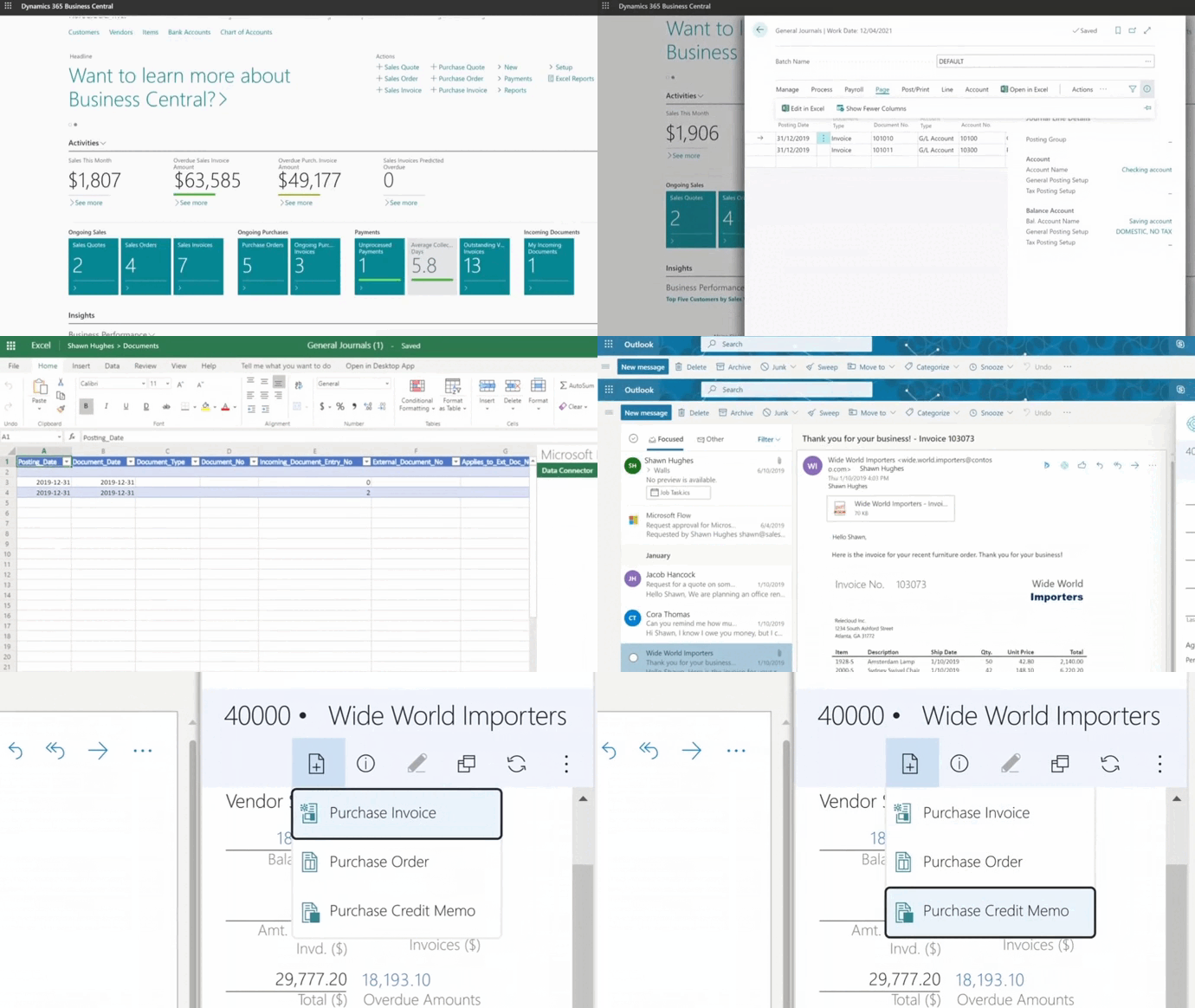
Microsoft Dynamics 365 Business Central provides nonprofits with a powerful, flexible, and scalable fund accounting system.
Key advantages for nonprofits
- Multi-dimensional accounting—track by fund, program, grant, or project
- Configurable chart of accounts and fund structures
- Real-time reporting and dashboards
- Automated workflows
- Multi-currency and multi-entity
- Full audit trail support
- Integrates with Microsoft 365, Power BI, and fundraising tools
- Secure Azure cloud hosting
- Scales as your nonprofit grows
When configured properly with dimensions, fund codes, and workflows, Business Central is one of the most robust fund accounting systems available to nonprofits.
Why choose Gestisoft for fund accounting implementation?
Gestisoft is a trusted Microsoft partner specializing in nonprofit digital transformation. Our team helps nonprofits transition from legacy systems to modern, compliant, automated fund accounting solutions.
Why nonprofits work with Gestisoft?
- Deep expertise in nonprofit fund structures
- Strong experience with grants, restricted funds, and FASB compliance
- Proven frameworks for data migration
- Tailored configurations for programs, departments, and grants
- Comprehensive training for financial teams
- Continued support and optimization
With Gestisoft, nonprofits gain a long-term partner committed to helping them use technology to strengthen transparency, governance, and mission impact.
-
Software designed to track financial activity across multiple funds with restrictions.
Liked what you just read? Sharing is caring.

December 01, 2025 by Kooldeep Sahye by Kooldeep Sahye Inbound Marketing Manager
Specializing in SEO-driven pipeline growth, I combine keyword strategy, content optimization, and inbound tactics to turn organic search into a reliable source of qualified leads. I work at the intersection of traditional SEO and AI search — optimizing for LLMs and AI Overviews alongside Google — pairing data-informed strategy with sharp, story-led copywriting.