

An ERP implementation consultant is the expert who can make or break your enterprise software project. Growing businesses hit a wall with spreadsheets, disconnected systems, and manual processes that slow operations. Enterprise resource planning software promises to solve these challenges, but implementation is complex and high-stakes.
The right ERP implementation consultant guides you through every phase with expertise. The wrong one derails your project, wastes your budget, and leaves you with a system that doesn't fit.
This guide explains who these consultants are, what they do, when you need one, and how to choose the right partner for your implementation journey.
Start Your ERP Implementation the Right Way
Your ERP project needs expert guidance from day one. Let's discuss your business challenges and map out a clear implementation strategy.
 Free discovery call
Who Is an ERP Implementation Consultant?
An ERP implementation consultant specializes in deploying enterprise resource planning systems for businesses. They bridge the gap between software capabilities and your specific business needs, translating operational requirements into functional technology solutions.
Why ERP Implementation Consultants Are Different from IT Staff
Your IT team manages current infrastructure and handles technical issues. But an ERP implementation consultant brings platform expertise from deploying ERPs dozens or hundreds of times across industries.
An ERP software consultant knows the destination system inside and out… whether Microsoft Dynamics 365 Business Central, SAP, or Oracle. They've seen common pitfalls and know how to avoid them before they become expensive problems.
Your IT staff excels at maintaining existing systems but rarely has experience with complex ERP deployments. The learning curve is steep, and mistakes during implementation create technical debt that haunts organizations for years.
A qualified ERP implementation consultant eliminates this risk by applying proven implementation frameworks.
Types of ERP Implementation Consultants You'll Encounter
- Functional consultants focus on business processes, workflows, and system configuration. They work with your team to configure the ERP to match your operations. These consultants spend significant time understanding your business model, documenting processes, and translating business needs into system requirements.
- Technical consultants handle integrations, custom development, database management, and complex technical configurations. They ensure your ERP connects seamlessly with existing systems and performs optimally under load.
- Industry specialists bring sector knowledge. An inventory management software consultant, for example, understands distributors' and manufacturers' unique challenges with stock tracking and warehouse management. They know industry-specific compliance requirements, common workflow patterns, and typical integration needs.
- Platform specialists are experts in specific ERP systems. A Business Central specialist knows that platform's strengths, limitations, and best practices better than generalists. They stay current with platform updates, new features, and evolving best practices.
Best results come from consultants who combine platform expertise with industry knowledge. This combination ensures your ERP implementation consultant understands both the technology and your business context.
What Does an ERP Implementation Consultant Do?
An ERP implementation consultant manages every phase of your ERP journey, from discovery through optimization. Their role evolves as the project progresses through different stages.
Understanding Your Business Through Discovery
ERP implementation consultants facilitate workshops with stakeholders across departments… finance, operations, sales, inventory, HR. They document current workflows, existing systems, and pain points that drive the need for change.
They identify compliance requirements your system must handle, like tax handling and audit trails for Canadian businesses. They define measurable success criteria and assess data quality for migration. This discovery phase typically takes two to four weeks and sets the foundation for everything that follows.
A thorough discovery prevents costly mistakes later. Your ERP implementation consultant uses this phase to identify potential roadblocks, assess team readiness, and establish realistic expectations.
Designing and Configuring Your ERP Solution
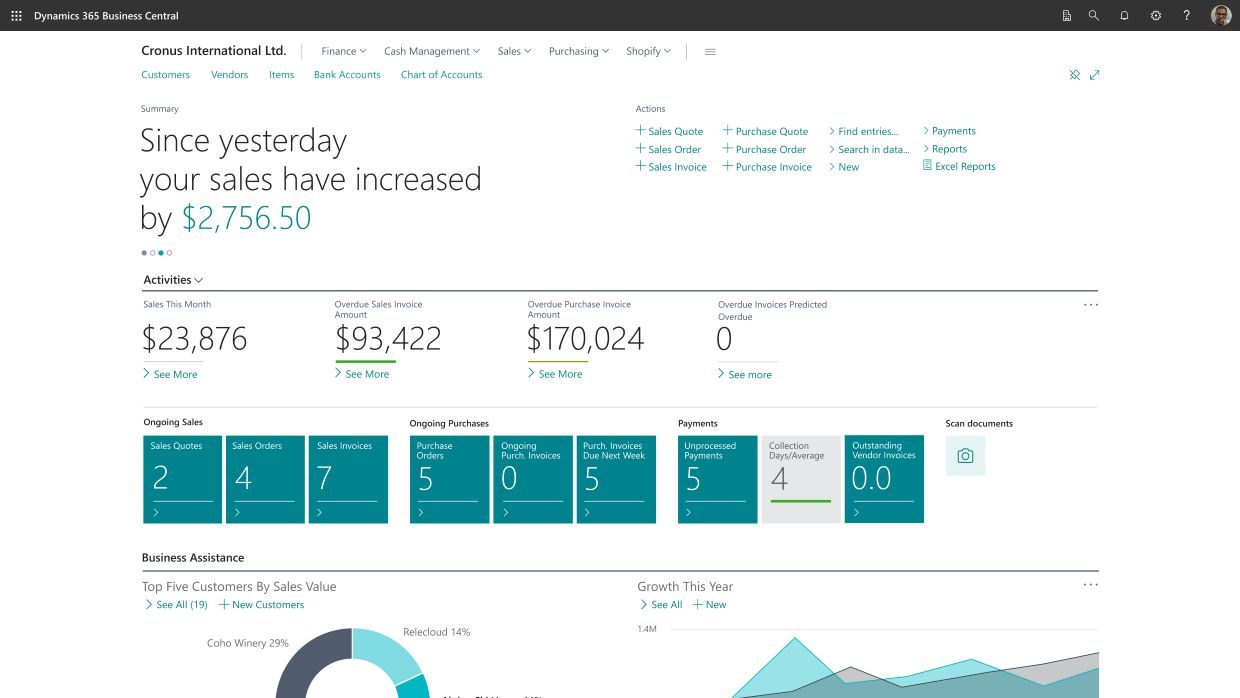
Consultants configure modules to match your workflows… finance, supply chain, manufacturing, sales, inventory. They follow a "configure first, customize last" philosophy. Modern ERPs like Business Central offer extensive configuration without custom code.
They design reporting structures and dashboards for decision-making. They plan integrations with CRM, e-commerce, payroll, and specialized industry applications. The design phase includes comprehensive testing plans that validate every configuration against your requirements.
Configuration work requires deep platform knowledge. Your ERP implementation consultant knows which settings affect others, how to optimize performance, and which configurations create upgrade challenges down the road.
Managing Data Migration and System Integrations
Data migration is tricky. ERP Consultants clean and validate data from legacy systems, map old structures to new ERP fields, and run test migrations. This process often takes longer than businesses expect because data quality issues surface during validation.
This reveals quality issues…duplicate records, incomplete information, inconsistent formats. They connect your ERP to existing business applications, ensuring data flows correctly between systems. Integration work requires technical expertise and careful planning to avoid data conflicts.
Leading User Training and Change Management
Even well-configured ERPs fail without user adoption. An ERP implementation consultant assesses training needs by role and delivers hands-on sessions focused on real scenarios. Training happens in waves… early training for super users, then broader training as go-live approaches.
They create documentation your team can reference after go-live. They identify "super users", internal champions in their departments. They help communicate benefits clearly and involve end users early. Effective change management makes the difference between successful adoption and expensive failure.
Guiding Go-Live and Stabilization
ERP implementation consultants plan cutover timing to minimize disruption and provide support during go-live. The first weeks are critical…they monitor performance, track adoption, and address unexpected workflows. They fine-tune configurations based on real-world use, making adjustments that improve system performance and user experience.
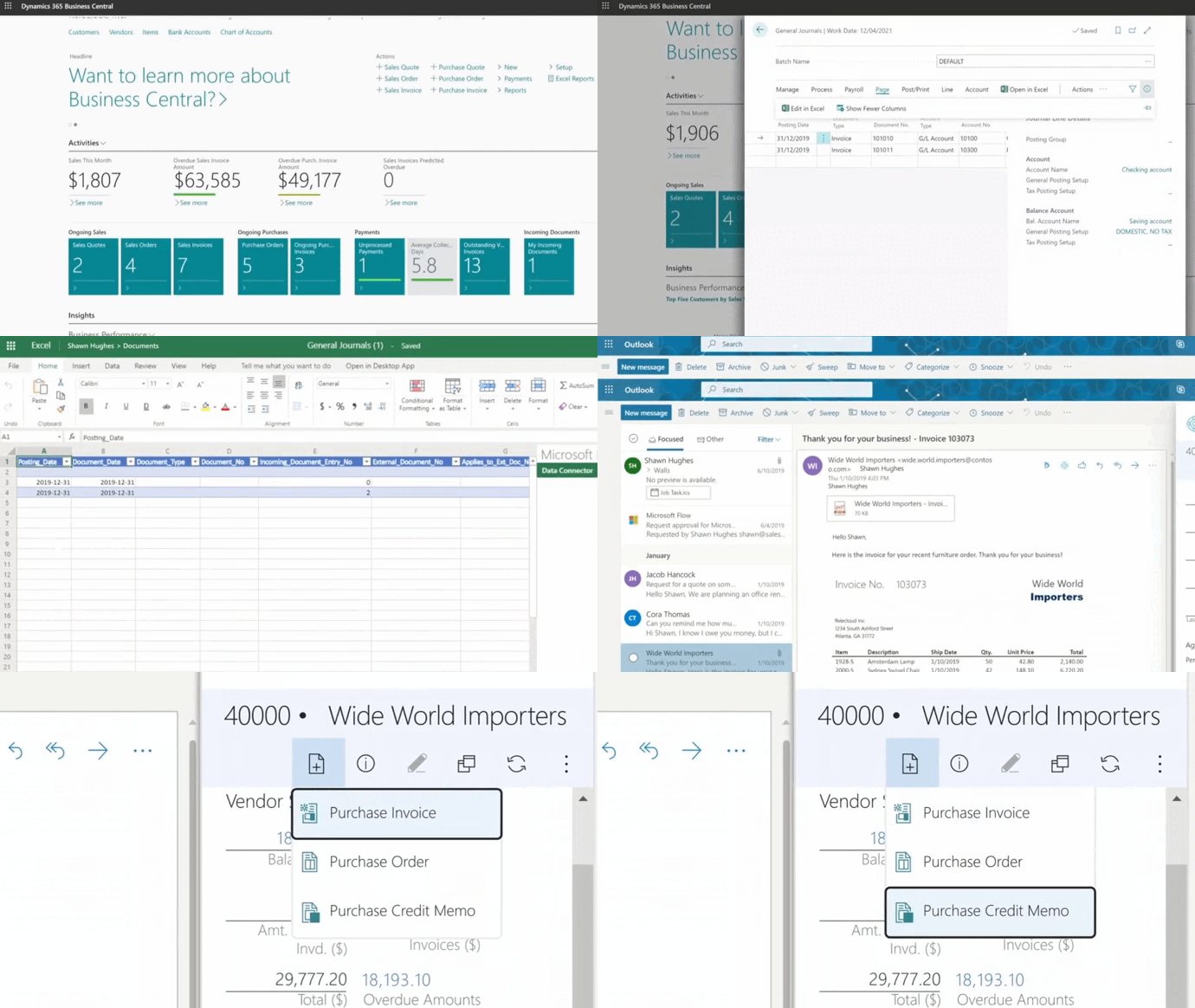
Throughout all these phases, ERP implementation consultants leverage their platform expertise to configure the system precisely to your business requirements. Here's what that configuration work looks like in practice:
When Do You Need an ERP Implementation Consultant?
Most mid-market implementations benefit from expert guidance. Here are clear signs you need professional help:
- Your team has never implemented an ERP before.
- You're migrating from legacy systems or multiple disconnected tools.
- You have complex workflows… multi-location, multi-currency, custom manufacturing.
- Your data lives across different systems and needs cleaning.
- You need integrations with CRM, e-commerce, or industry tools.
- You're under time pressure with a specific deadline.
- You want to avoid costly mistakes and rework.
- You need change management and user training expertise.
- Your IT team is stretched thin with daily operations.
- You're experiencing rapid growth that demands scalable systems.
If three or more apply, an ERP implementation consultant will save you time, money, and stress. Expert guidance costs less than a failed implementation. Consider that failed ERP projects can cost two to three times the original budget, not counting the opportunity cost of delayed benefits.
How to Choose the Right ERP Implementation Consultant
The right ERP implementation consultant transforms operations. The wrong one derails your project. Here's how to evaluate options carefully.
Platform Expertise Matters More Than General Knowledge
An ERP specialist who focuses on your chosen platform delivers better results than generalists. If implementing Business Central, look for consultants who specialize in that platform. They know its strengths, limitations, and best practices.
Check for Microsoft Solutions Partner status and Dynamics 365 certifications. Ask: How many Business Central implementations have you completed this year? Request case studies or references from similar projects. Platform-specific expertise accelerates implementation and reduces risk.
Industry Experience Is Essential
An ERP implementation consultant who understands your industry delivers configurations that work. Manufacturing consultants understand production tracking. Distribution experts know inventory complexity. Professional services consultants understand project accounting.
Industry knowledge helps consultants ask better questions, spot issues early, and recommend proven approaches. Always ask for references from businesses in your sector. Industry-specific experience often matters more than technical skills alone when choosing an ERP implementation consultant.
Questions a Good ERP Implementation Consultant Will Ask You
Strong consultants ask probing questions before proposing solutions:
- What are your biggest operational pain points?
- What does success look like six months after go-live?
- Who's on your internal project team and their availability?
- What's your realistic timeline and budget range?
- What systems must integrate with your ERP?
- What are your growth plans for the next three to five years?
- What keeps you up at night about this project?
- What processes absolutely cannot fail during transition?
If a consultant jumps straight to solutions without asking these questions, walk away. The discovery conversation reveals whether an ERP implementation consultant truly understands your needs.
Red Flags When Evaluating ERP Implementation Consultants
- Promises that sound too easy: Claims like "live in four weeks with zero disruption" are unrealistic.
- Vague methodology answers: Strong consultants explain their approach clearly.
- Pushing heavy customization: Most needs can be met through configuration.
- No data migration strategy: If dismissed as simple, they're underestimating risk.
- Frequent consultant rotation: Continuity matters for project success.
- Missing post-go-live support: Make sure you understand ongoing support.
- Pressure to sign quickly: Legitimate consultants give you time to evaluate.
- No documented methodology: Professional consultants follow proven frameworks.
What to Expect During an ERP Implementation with an ERP Implementation Consultant
Clear expectations prevent surprises. Here's what typical implementation looks like.
Realistic Timeline for an ERP Implementation Consultant-Led Project
Straightforward implementations: 3–6 months
Standard processes, clean data, limited integrations, engaged teams.
Complex implementations: 6–12 months
Multiple locations, extensive integrations, significant data cleansing, customizations.
Timeline factors:
- Decision-making speed
- Stakeholder availability
- Data quality
- Integration requirements
- Scope clarity
- Internal resource commitment
Your ERP implementation consultant should provide a customized timeline after discovery. Rushing implementation to meet arbitrary deadlines creates more problems than it solves. Plan for adequate time in each phase.
Your Internal Team's Role Alongside Your ERP Implementation Consultant
- Executive sponsor: Removes roadblocks, makes key decisions, ensures cooperation.
- Process owners: Provide input, validate configurations, represent departments.
- IT lead: Manages infrastructure, security, coordinates integrations.
- Super users: Learn deeply, become internal experts, support teams after go-live.
- End users: Participate in testing and training, provide feedback.
The consultant guides the journey, but your team drives adoption. Plan for this time commitment, underestimating resources causes delays. Expect key team members to dedicate 20-40% of their time during active implementation phases.
Common ERP Implementation Challenges (and How an ERP Implementation Consultant Navigates Them)
Every ERP implementation hits obstacles. An experienced ERP implementation consultant knows how to overcome challenges without derailing your project.
Challenge 1: Unclear Requirements and Scope Creep
What happens: Goals expand endlessly. Timelines slip, budgets balloon.
How an ERP implementation consultant helps: Structured discovery documents requirements clearly. They prioritize "must-haves" versus "nice-to-haves" and plan future phases. They manage change requests with clear impact discussions. An experienced ERP implementation consultant establishes change control processes that evaluate new requests objectively.
Challenge 2: Poor Data Quality
What happens: Bad data causes problems immediately after go-live.
How consultants help: Early data assessment, cleansing strategies, validation checkpoints, thorough testing before cutover. They often recommend data governance frameworks that maintain quality long-term.
Challenge 3: Resistance to Change
What happens: Low user adoption kills ROI, even if the system works perfectly.
How consultants help: Change management plans, clear benefit communication, early user involvement, practical training, internal champion support. They address resistance proactively rather than reactively.
Challenge 4: Over-Customization
What happens: Heavy customization increases cost, delays launch, complicates upgrades.
How consultants help: "Configure first, customize last" philosophy. They explain trade-offs honestly and recommend process adjustments over software bending. Every customization request gets evaluated against long-term maintenance implications.
Beyond Go-Live: How an ERP Implementation Consultant Support Long-Term Success
Implementation isn't the finish line, it's the starting line. A great ERP implementation consultant helps you optimize and grow after go-live.
Post-Go-Live Support and Stabilization
The first thirty to sixty days are critical. This "hypercare" period requires close attention as users adapt and real-world scenarios emerge.
An ERP implementation consultant troubleshoots quickly, fine-tunes configurations, supports struggling users, and monitors performance. They address unexpected workflows once everyone works in the live system. This stabilization phase ensures minor issues don't escalate into major disruptions.
Continuous Improvement and Optimization
Your ERP should evolve as your business grows. Strong ERP consultants conduct regular reviews to identify opportunities…new modules, workflow improvements, automation.
Training refreshers help with new hires or feature rollouts. Strategic guidance becomes valuable as you expand locations, add product lines, or enter new markets.
The best ERP implementation consultants become long-term partners, not project vendors who disappear. This ongoing relationship maximizes your ERP investment over years, not just months.
Why Choose Gestisoft as Your ERP Implementation Consultant?
The right partner makes all the difference between project success and costly delays.
Deep Business Central Expertise
Microsoft Solutions Partner specializing in Dynamics 365 Business Central. We stay current with every platform update and leverage years of implementation experience across diverse business models.
Industry-Focused Experience
We've guided manufacturers, distributors, and professional services firms across Canada. We understand industry-specific workflows, compliance requirements, and operational challenges that impact implementation success.
Transparent, Collaborative Approach
Clear communication, realistic timelines, no surprises. We partner alongside your team throughout the journey. Our methodology emphasizes collaboration over vendor-client hierarchy.
Commitment Beyond Go-Live
Ongoing support and optimization maximize your investment as you grow. We view implementation as the beginning of a partnership, not the end of a project.
Canadian Presence
We've got offices in Montreal, Toronto, Ottawa, and Quebec. Plus, we're B Corp certified, which shows we genuinely care about doing business the right way! We get what Canadian businesses need, like bilingual support, provincial rules, and local regulations.
Whether exploring ERP options or ready to begin implementation, we're here to help you succeed.
Transform Your Business with the Right ERP Partner
Expert ERP implementation guidance makes the difference between project success and costly delays. Let's discuss how we can help you succeed.
 Free discovery call
Liked what you just read? Sharing is caring.

March 11, 2026 by Muhammad Ali Iqbal by Muhammad Ali Iqbal SEO Content Strategist & Copywriter
Driven by a passion for search engine optimization, strategic content, and conversion-focused writing. A copywriter and content strategist who lives for content that ranks, engages, and delivers real business results.

