

Nonprofit organizations play a critical role in supporting communities, advancing social causes, and delivering essential programs across North America. But behind every impactful mission lies a financial structure that must be transparent, compliant, and strategically managed. This is where accounting for nonprofit organizations becomes indispensable.
Unlike traditional businesses, nonprofits are accountable not to shareholders, but to donors, grantmakers, boards, and regulatory bodies. Every dollar must be tracked, reported, and allocated in ways that demonstrate integrity and stewardship. As nonprofits grow, so does the complexity of their financial environment—grants with usage restrictions, multi-year funding, project budgets, compliance obligations, and the pressure to operate efficiently with limited resources.
This guide explains everything you need to know about accounting for nonprofit organizations—from fund accounting to reporting requirements, budgeting, best practices, and the role of modern systems like Microsoft Dynamics 365 Business Central, which increasingly serves as the financial backbone for nonprofits in North America.
What Is Accounting for Nonprofit Organizations?
Accounting for nonprofit organizations refers to the systems, processes, and standards used to record, manage, and report financial information in charitable and mission-driven organizations.
The objective is not to maximize profit but to:
- Ensure accountability
- Demonstrate transparency
- Manage donor-restricted funds correctly
- Support compliance with U.S. and Canadian regulations
- Provide insights for sound decision-making
- Protect the organization’s long-term sustainability
Unlike for-profits, nonprofits do not measure success through earnings or shareholder value. Instead, their financial reporting focuses on how effectively resources are used to fulfill the mission.
Book your free consultation with our experts today
Contact us for more details about our Microsoft certified accounting solutions for nonprofits.
 Free discovery call
Key Differences From For-Profit Accounting
- Nonprofits track net assets, not equity.
- Donations and grants often come with restrictions, which must be tracked separately.
- Programs, not products, drive expenses.
- Financial reports emphasize stewardship and impact rather than profitability.
- Nonprofits must adhere to standards such as GAAP (U.S.) or ASNPO (Canada).
In short, accounting for nonprofit organizations is built on the principle that mission comes first—supported by financial discipline and transparency.
Core Principles of Nonprofit Accounting
To understand how nonprofit accounting works, it’s important to break down the foundational principles that shape financial management in the sector.
Fund Accounting
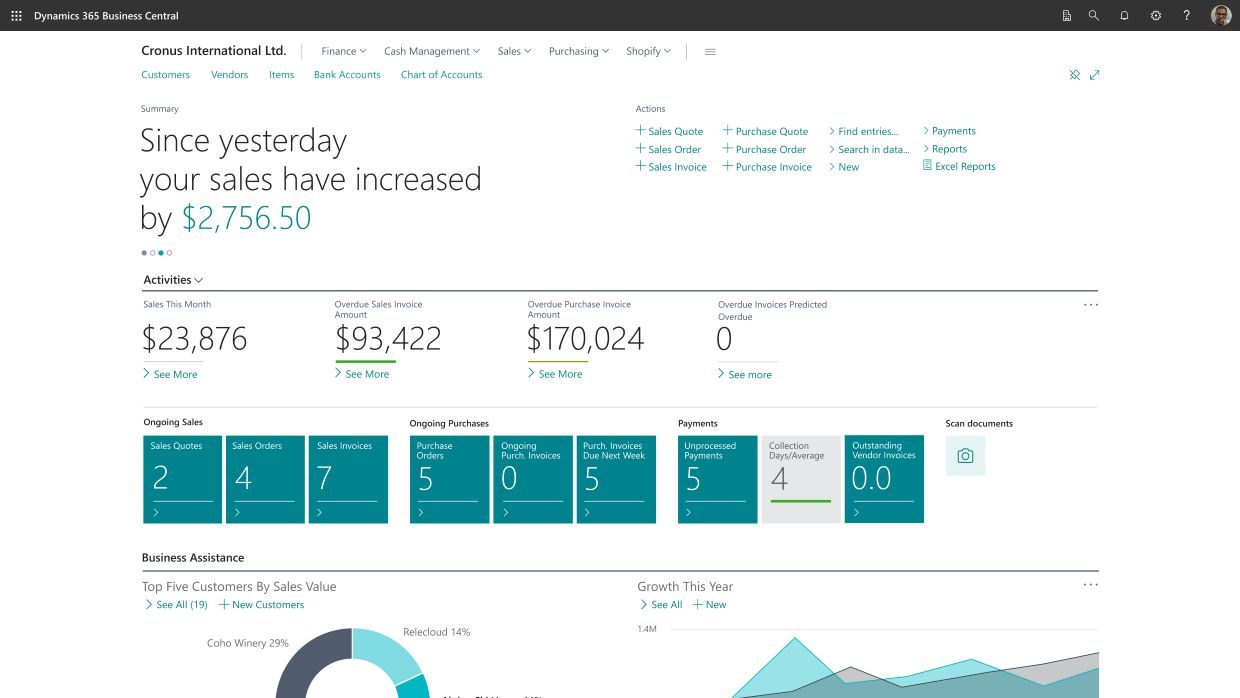
Fund accountingis the cornerstone of accounting for nonprofit organizations. Instead of pooling revenue into a single general ledger, nonprofits track their finances using “funds,” each representing a specific purpose or source of money.
Common types of funds include:
- General or operating fund
- Programs or project funds
- Grant-specific funds
- Capital project funds
- Endowment funds
Fund accounting ensures accurate tracking of how revenue is earned, spent, and reported—especially when restrictions are involved.
Restricted vs. Unrestricted Funds
Unrestricted Funds
These are donations or revenue that the organization can use for any legitimate purpose, such as operations, staffing, technology, or general programs.
Temporarily Restricted Funds
These funds must be used for a specific project, program, or timeframe. For example, a grant restricted to youth programs in 2025.
Permanently Restricted Funds
Often associated with endowments, these funds must be maintained in perpetuity, while investment income can be used for mission-related activities.
Properly distinguishing restricted and unrestricted funds is one of the most essential parts of accounting for nonprofit organizations.
Revenue Recognition for Nonprofits
Nonprofit revenue comes from unique sources, such as:
- Donations
- Grants
- Membership dues
- Sponsorships
- Program service fees
- Merchandise or event revenue
- Investment income
Each revenue stream may have unique recognition rules, reporting requirements, and donor stipulations.
Expense Allocation
Nonprofits classify expenses into three main categories:
- Program Services – Direct mission-driven activities
- Management & General – Administration
- Fundraising – Development and donor relations
Accurate allocation is essential for reporting, budgeting, and compliance.

Essential Nonprofit Financial Statements
Financial statements for nonprofits help boards, donors, and regulators understand the organization’s financial health and stewardship.
Statement of Financial Position (Balance Sheet Equivalent)
Shows assets, liabilities, and net assets (unrestricted, temporarily restricted, permanently restricted).
Statement of Activities (Income Statement Equivalent)
Shows revenue, expenses, and the change in net assets over a specific period.
Statement of Functional Expenses
Breaks down expenses by function and nature—required for most nonprofits.
Statement of Cash Flows
Shows how cash enters and exits the organization across operating, investing, and financing activities.
These reports form the backbone of accounting for nonprofit organizations, especially during audits, grant applications, and board reviews.

Foundational Documents Needed for Nonprofit Accounting
To maintain accurate and compliant financial processes, nonprofits rely on several key documents:
- Chart of accounts tailored for nonprofit fund tracking
- Grant agreements and restrictions documentation
- Donor receipts and acknowledgment letters
- Budget files for operations and programs
- Bank reconciliations and month-end close reports
- Audit binders and supporting documentation
- Board financial packages
- Expense allocation policies
These documents ensure clarity, compliance, and accountability at every stage.
Budgeting for Nonprofits: How to Plan Effectively
A nonprofit budget is not just a financial plan; it is a strategic tool that aligns funding with mission-driven priorities.
Operating Budget
Covers all organizational revenue and expenses for the fiscal year.
Program or Project Budget
Tracks specific initiatives, grants, or services.
Grant Budgets
Often required by funders; must match grant reporting requirements.
Capital Budgets
Used for major investments, such as property, renovations, or equipment.
Cash Flow Forecasting
Essential for nonprofits with seasonal revenue or grant-cycle fluctuations.
Budgeting is one of the most powerful ways nonprofits maintain transparency and financial stability.
Compliance and Reporting Requirements in the U.S. and Canada
Nonprofit compliance varies by jurisdiction, and accounting for nonprofit organizations must incorporate these rules into operations.
United States Compliance
IRS Form 990
Required annually, with four variations:
- 990-N (small organizations)
- 990-EZ (mid-sized nonprofits)
- Full 990 (larger organizations)
- 990-PF (private foundations)
State-Level Reporting
Many states require separate annual filings, audits, or charitable registrations.
Audit Requirements
Some states mandate audits based on revenue thresholds.
Canada Compliance
T3010 (Registered Charity Information Return)
Required annually for all registered charities.
T1044 (Information Return for Nonprofit Organizations)
Required for NPOs meeting certain financial conditions.
ASNPO (Accounting Standards for Not-for-Profit Organizations)
Defines how financial statements must be structured.
Provincial Requirements
Depending on the province, additional filings may apply.
Remaining compliant is one of the most significant responsibilities in accounting for nonprofit organizations, and this is where strong financial systems become essential.

Best Practices in Nonprofit Accounting
To ensure accurate financial management, nonprofits should follow these industry best practices:
- Maintain strong internal controls
- Separate financial duties to reduce risk
- Reconcile accounts monthly
- Document donor restrictions clearly
- Allocate expenses accurately and consistently
- Track grants and deliverables meticulously
- Prepare for audits year-round
- Create reserve funds for financial sustainability
- Educate board members on financial literacy
- Use modern financial management technology
These practices not only protect the organization—they strengthen donor confidence and long-term mission execution.
Technology’s Role in Modern Nonprofit Accounting
As nonprofits grow, they often discover that spreadsheets and basic bookkeeping tools cannot keep up with:
- Multiple restricted funds
- Multi-year grants
- Complex budgets
- Donor reporting
- Increased compliance requirements
- Audit readiness
- Program-level visibility
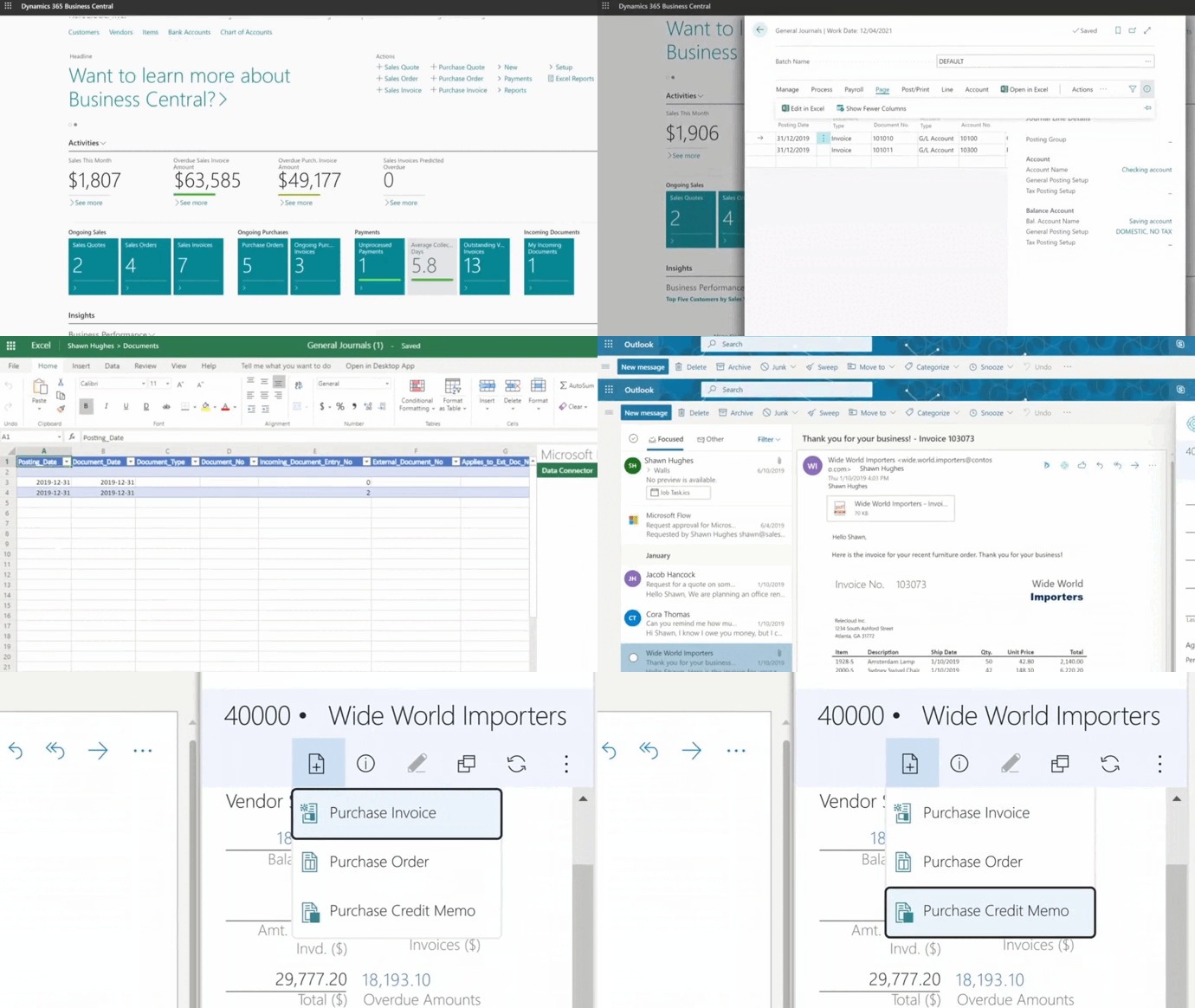
This is why many North American organizations are turning to Microsoft Dynamics 365 Business Central—a cloud-based financial management platform built for accuracy, visibility, and control.
Why Microsoft Dynamics 365 Business Central Is the Ideal Accounting Solution for Nonprofits?
Business Central stands out because it supports the full complexity of accounting for nonprofit organizations while remaining user-friendly and scalable.
Fund Accounting with Dimensions
Business Central uses “dimensions” to categorize financial data by:
- Fund
- Program
- Grant
- Location
- Project
This approach enables true fund accounting without separate segmented general ledgers.
Tracking Restricted vs Unrestricted Funds
Dimensions allow nonprofits to:
- Separate fund types
- Monitor remaining balances
- Ensure restricted funds are never used incorrectly
Automated Allocations
Automatically allocate expenses across programs, departments, or grants based on predefined rules.
Advanced Budgeting & Forecasting
Business Central supports:
- Multi-year budgets
- Grant-specific budgets
- Rolling forecasts
- Budget vs actual variance reporting
Audit-Ready Controls
Built-in workflows support:
- Approval processes
- Document attachments
- Change logs
- Audit trails
This reduces the burden of preparing for annual audits.
How much can you save in return?
Download your free Excel calculator to find out how much you can save when implementing Business Central today.

Real-Time Dashboards for Boards and Executives
Nonprofits can provide:
- Program-level financial dashboards
- Cash flow insights
- Budget tracking
- Grant utilization reports
Grant Management & Donor Reporting
Dimensions and analytical views support granular tracking of:
- Grant expenditures
- Remaining balances
- Reporting periods
- Program impact
Integration with CRM and Fundraising Tools
Business Central integrates with:
- Microsoft Dynamics 365 CRM
- Fundraising platforms
- Payroll systems
- Payment tools
This creates a unified financial and operational ecosystem.
Cloud Security and Compliance
Business Central provides:
- Enterprise-grade data security
- North American data residency options
- Compliance with audit and reporting standards
For nonprofits with lean teams, limited resources, and high accountability requirements, Business Central offers reliability, accuracy, and visibility they cannot achieve with entry-level systems.
Ready to implement Business Central today?
Contact our specialists for a free consultation and discover how we can help you set up accounting for nonprofits.
 Free discovery call
In-House vs Outsourced Accounting: How Business Central Supports Both
Nonprofits structure their financial management in different ways depending on size and complexity.
In-House Accounting Works Best When:
- The organization has a full finance team
- There are multiple programs or grants
- Reporting requirements are complex
Outsourced Accounting Works Best When:
- The nonprofit has limited administrative staff
- Accounting needs exceed internal expertise
- External reviews or audits are required
Business Central supports both by serving as the central repository for financial information—reducing manual processes and enabling collaboration between internal teams and outsourced accountants.
Common Nonprofit Accounting Mistakes—And How to Avoid Them
Many organizations face similar challenges. The most common mistakes include:
- Mixing restricted and unrestricted funds
- Not reconciling accounts monthly
- Under-documenting expenses
- Incorrectly allocating costs between programs
- Losing track of grant deadlines or budgets
- Relying on spreadsheets that introduce errors
- Not preparing for audit requirements in advance
- Using software that was not built for nonprofits
Business Central helps avoid these pitfalls by automating controls, enforcing consistency, and centralizing financial data.

Conclusion: Strong Nonprofit Accounting Builds Trust and Long-Term Mission Success
Accounting for nonprofit organizations is not simply a financial exercise—it is the foundation of transparency, sustainability, and mission impact. From fund accounting to budgeting, compliance, and grant tracking, nonprofits must navigate a complex financial environment that demands accuracy and clarity.
Modern tools like Microsoft Dynamics 365 Business Central give nonprofits the financial visibility, control, and accountability they need to operate with confidence. When paired with expert guidance from a trusted partner like Gestisoft, nonprofits can build a financial system that supports their mission today and grows with them into the future.
If your nonprofit is ready to strengthen financial management, streamline reporting, and modernize operations, Gestisoft is here to help you evaluate and implement Business Central in a way that aligns with your mission.
-
Nonprofit accounting focuses on transparency, fund restrictions, and mission stewardship rather than profit.
Liked what you just read? Sharing is caring.

December 04, 2025 by Kooldeep Sahye by Kooldeep Sahye Inbound Marketing Manager
Specializing in SEO-driven pipeline growth, I combine keyword strategy, content optimization, and inbound tactics to turn organic search into a reliable source of qualified leads. I work at the intersection of traditional SEO and AI search — optimizing for LLMs and AI Overviews alongside Google — pairing data-informed strategy with sharp, story-led copywriting.